
Learn by layers
Build steady kana memory with a calm, repeatable flow.
Switch between hiragana and katakana, then work through visuals, motion, and sound. Each module below is designed to reinforce the same set of characters from a different angle.
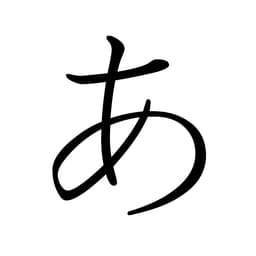
See it big
Start with the large character image and lock in the shape.
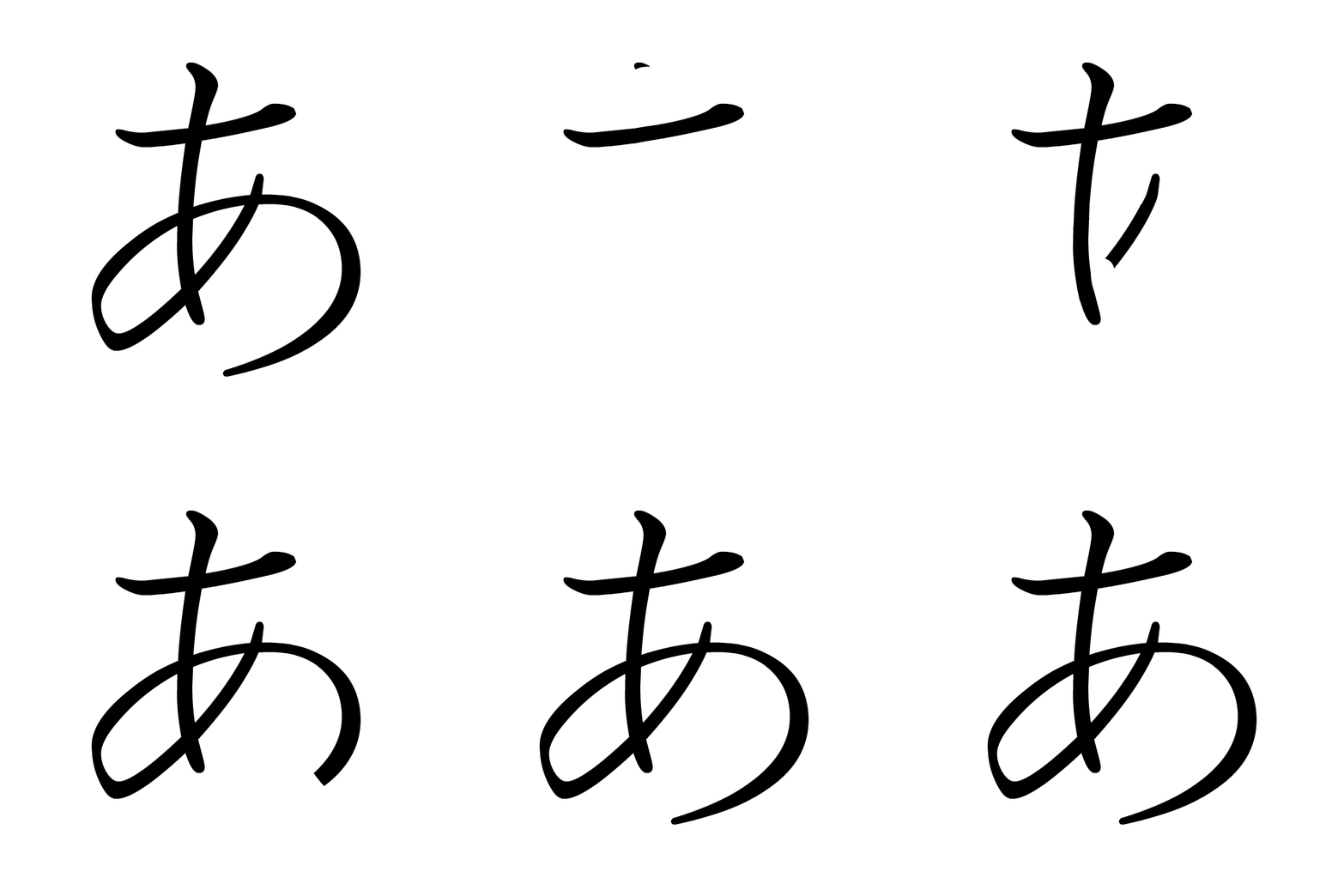
Trace the flow
Watch the stroke order GIF and copy the rhythm.
Say it aloud
Play the audio and match the vowel sound cleanly.
Common confusions
Kana spotlight
Practice one at a time
See
Trace
Say
Reference
Gojuon chart
Scan rows horizontally and keep the vowel columns aligned. Use the chart to check pronunciation consistency before moving into drills.
n
Pure vowels
Hold the five base vowels steady before moving on to consonant rows.
Crisp consonants
Keep the K sound light; let the vowel carry the volume.
Soft sh
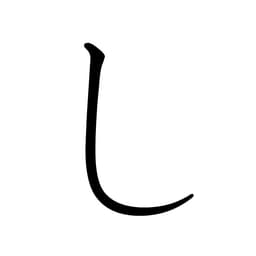
Remember the only curveball is shi (し / シ).
Two special cases
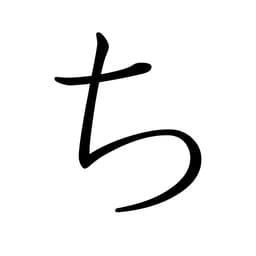
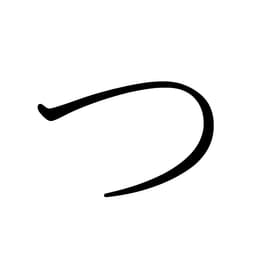
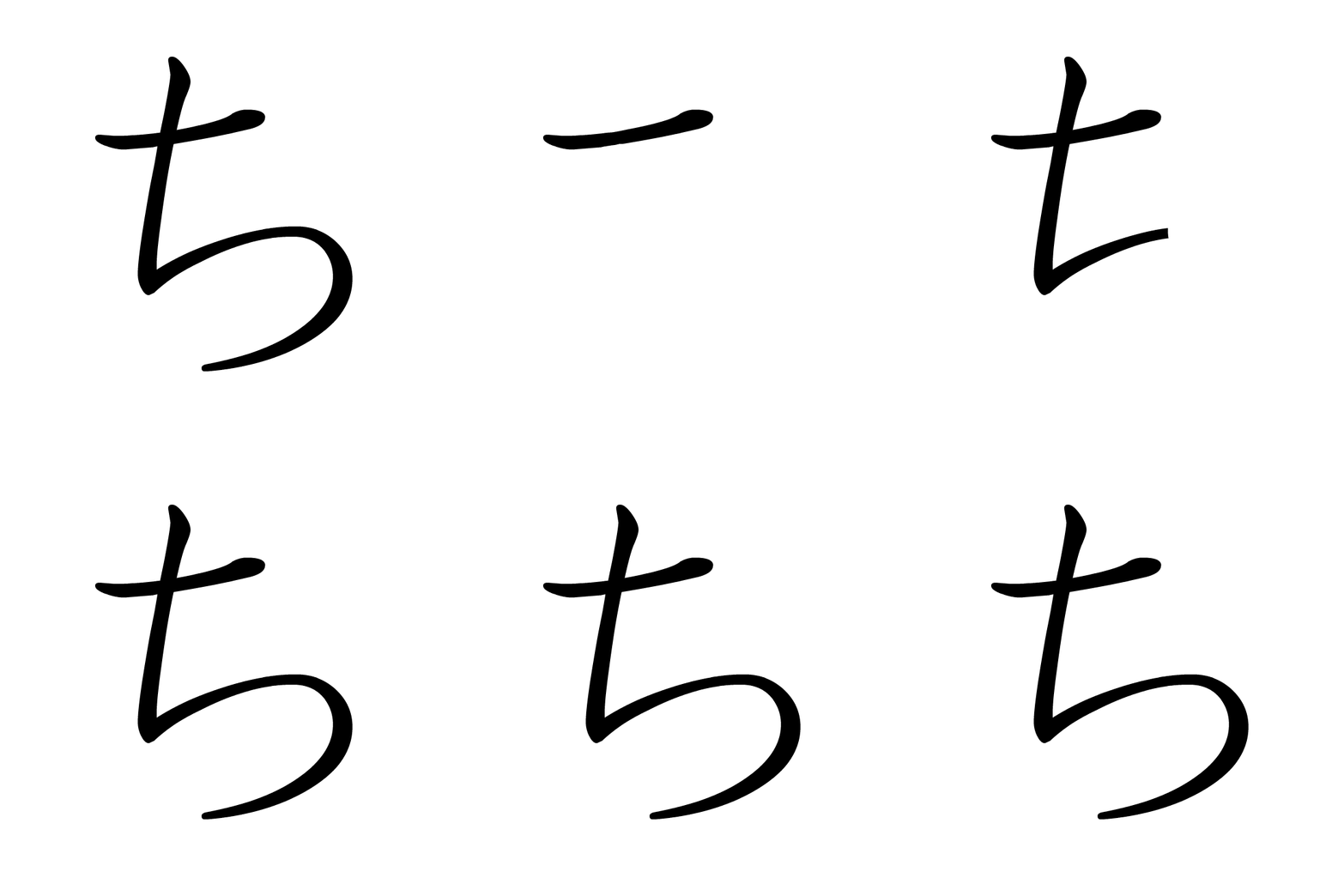
chi (ち / チ) and tsu (つ / ツ) don't follow the ta/ti/tu pattern.
The airy F
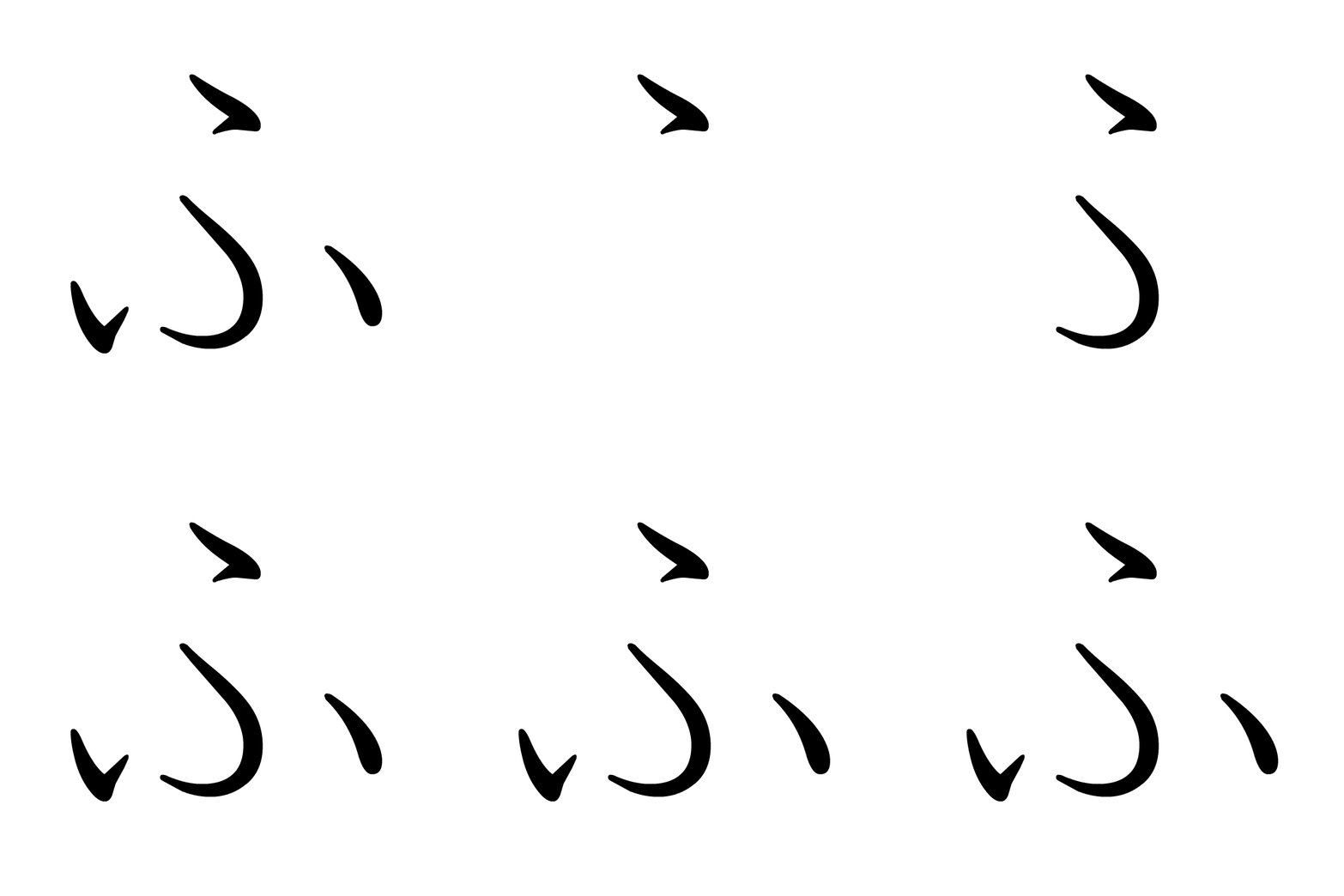
fu (ふ / フ) is a soft breathy sound, not a hard foo.
Three sounds only
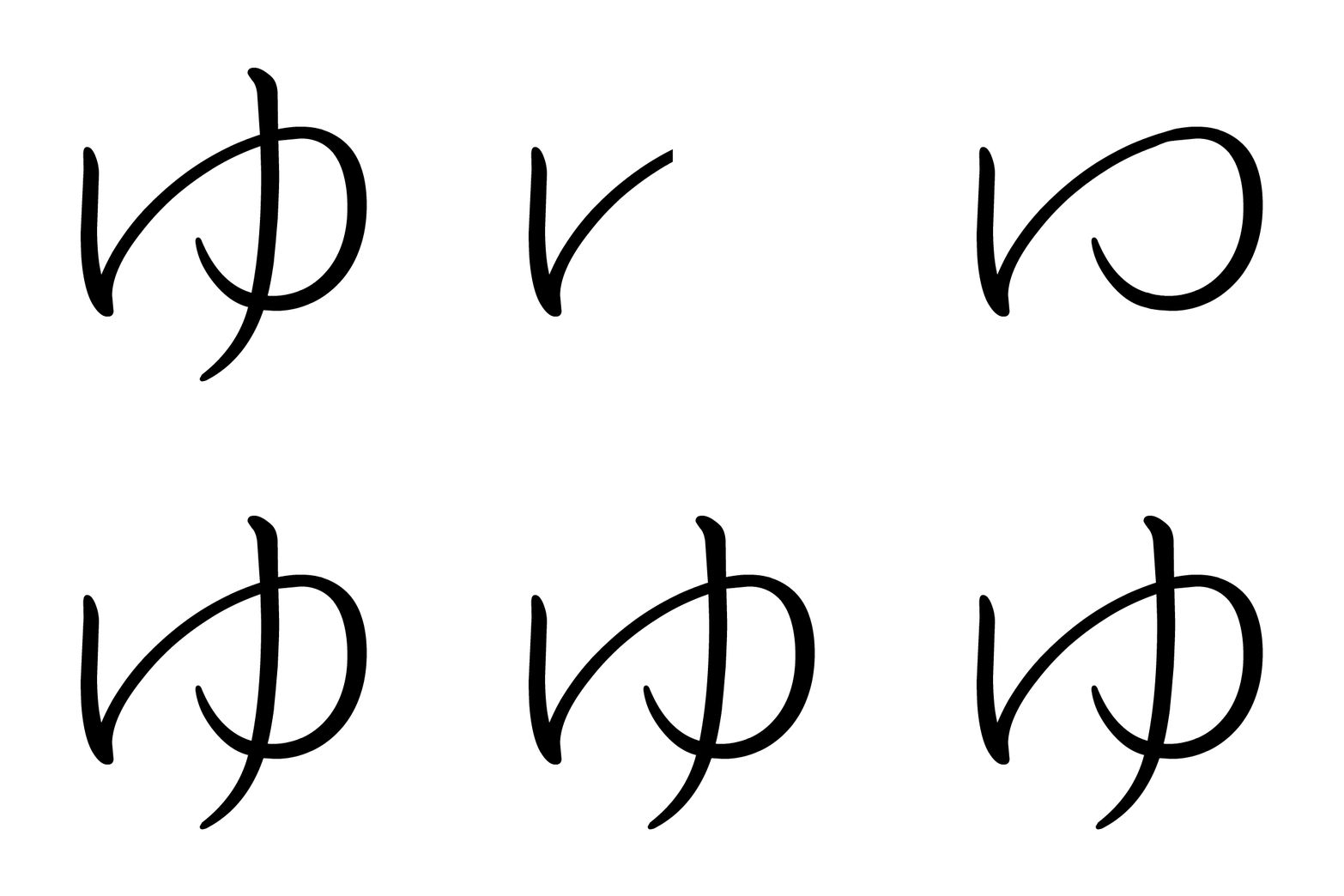
ya/yu/yo skip the i and e columns; leave those spaces open.
Modern usage
wa and wo remain; wo is often pronounced like a long o.
Visual drills
Flashcards
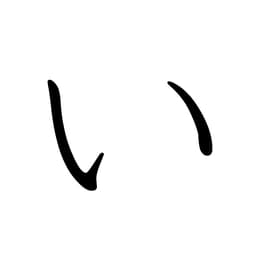
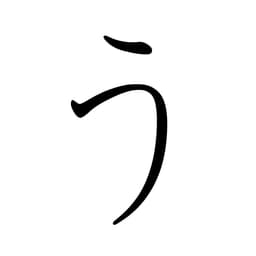
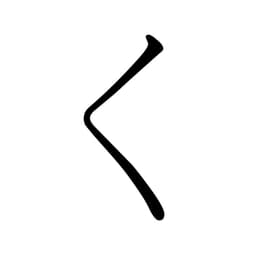
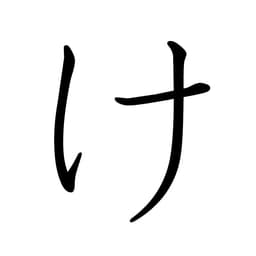
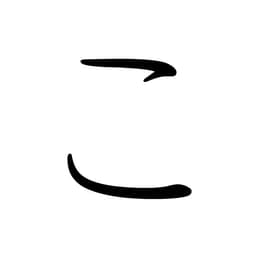
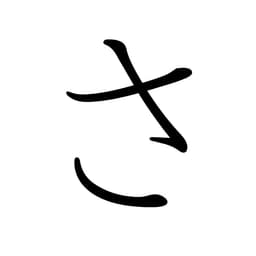
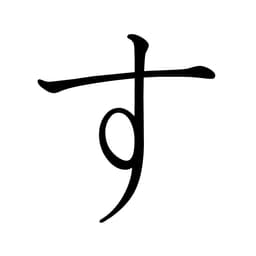
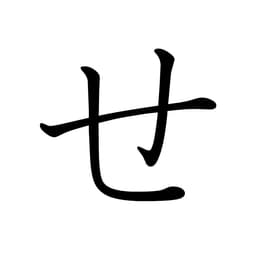
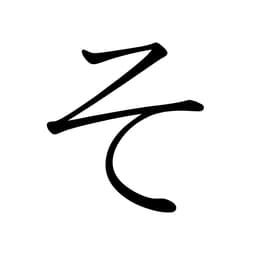
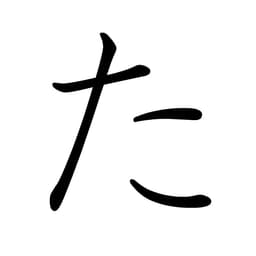
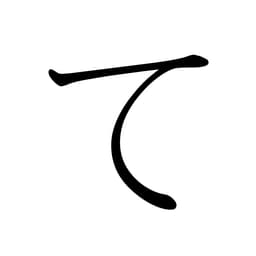
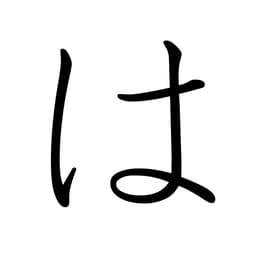
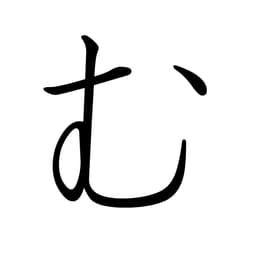
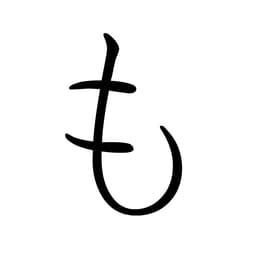
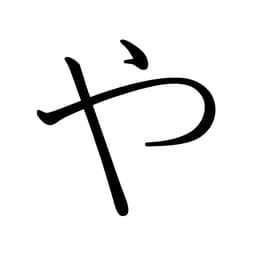
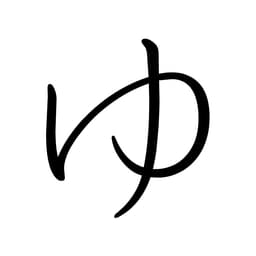
Scan the image, say the romaji, then glance at the kana label to confirm. Repeat row by row for steady retention.
Vowels
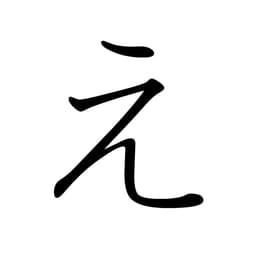
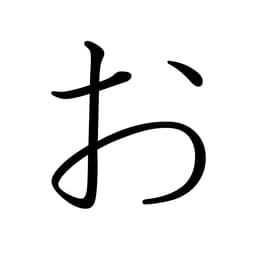
K-row
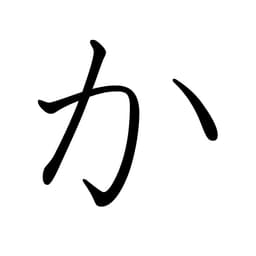
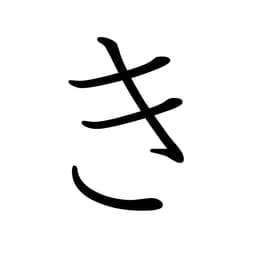
S-row
T-row
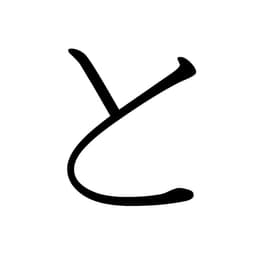
N-row
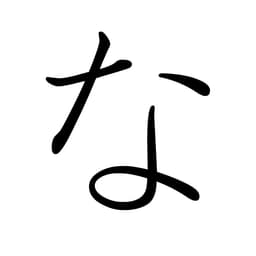
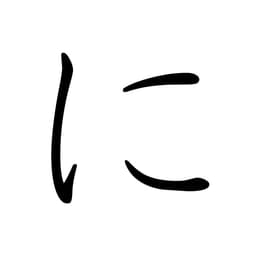

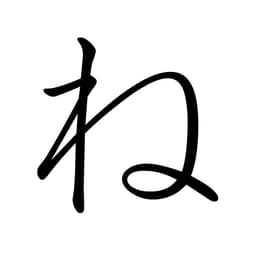
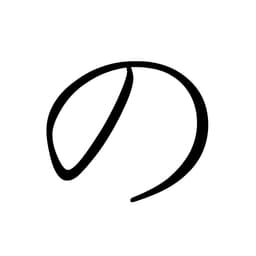
H-row
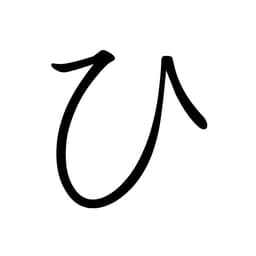
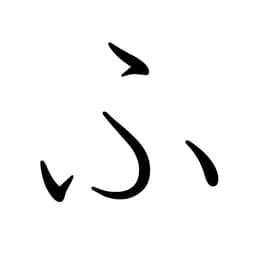
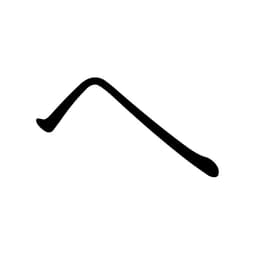
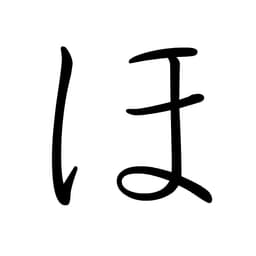
M-row
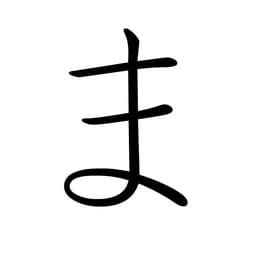
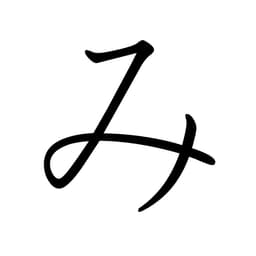

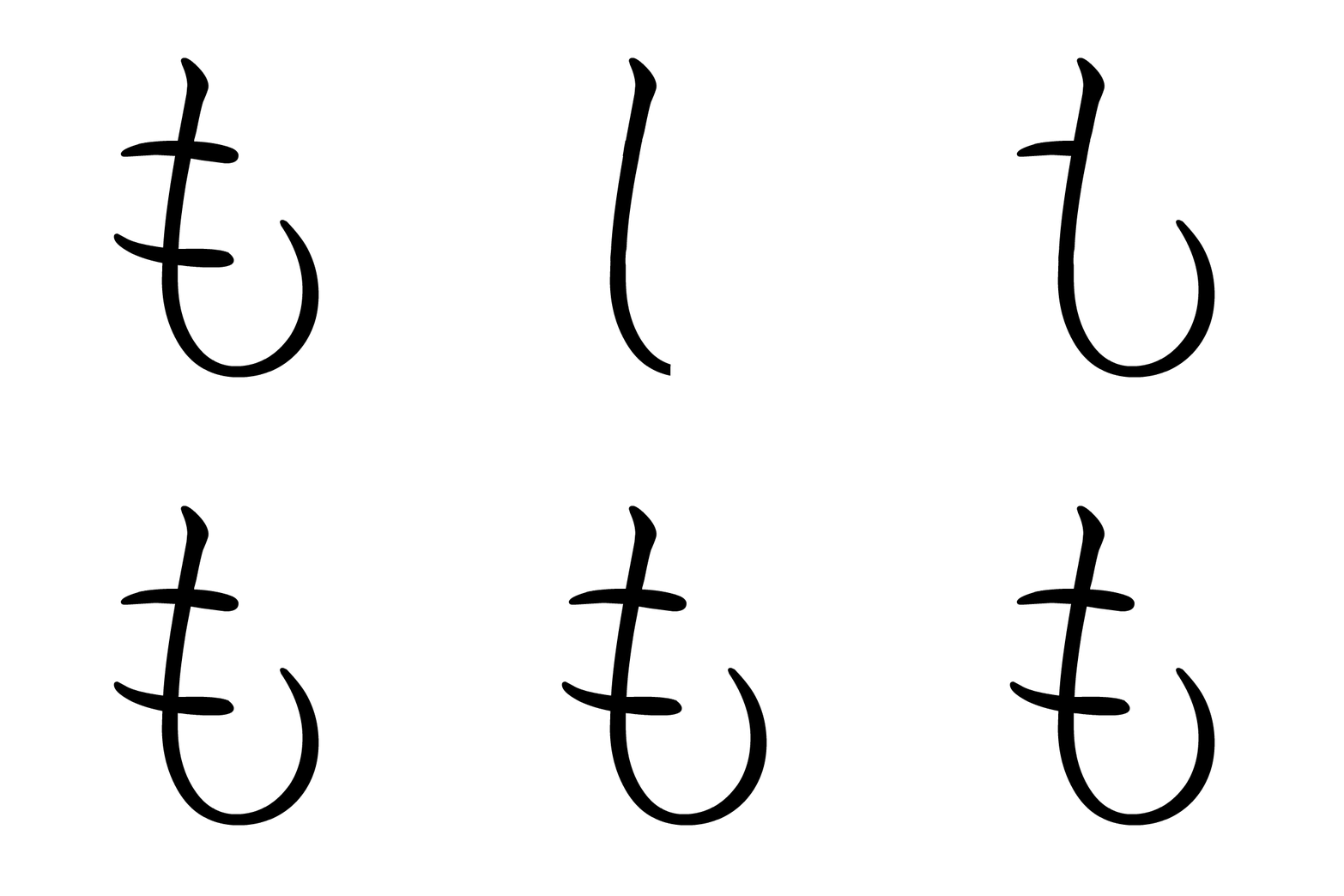
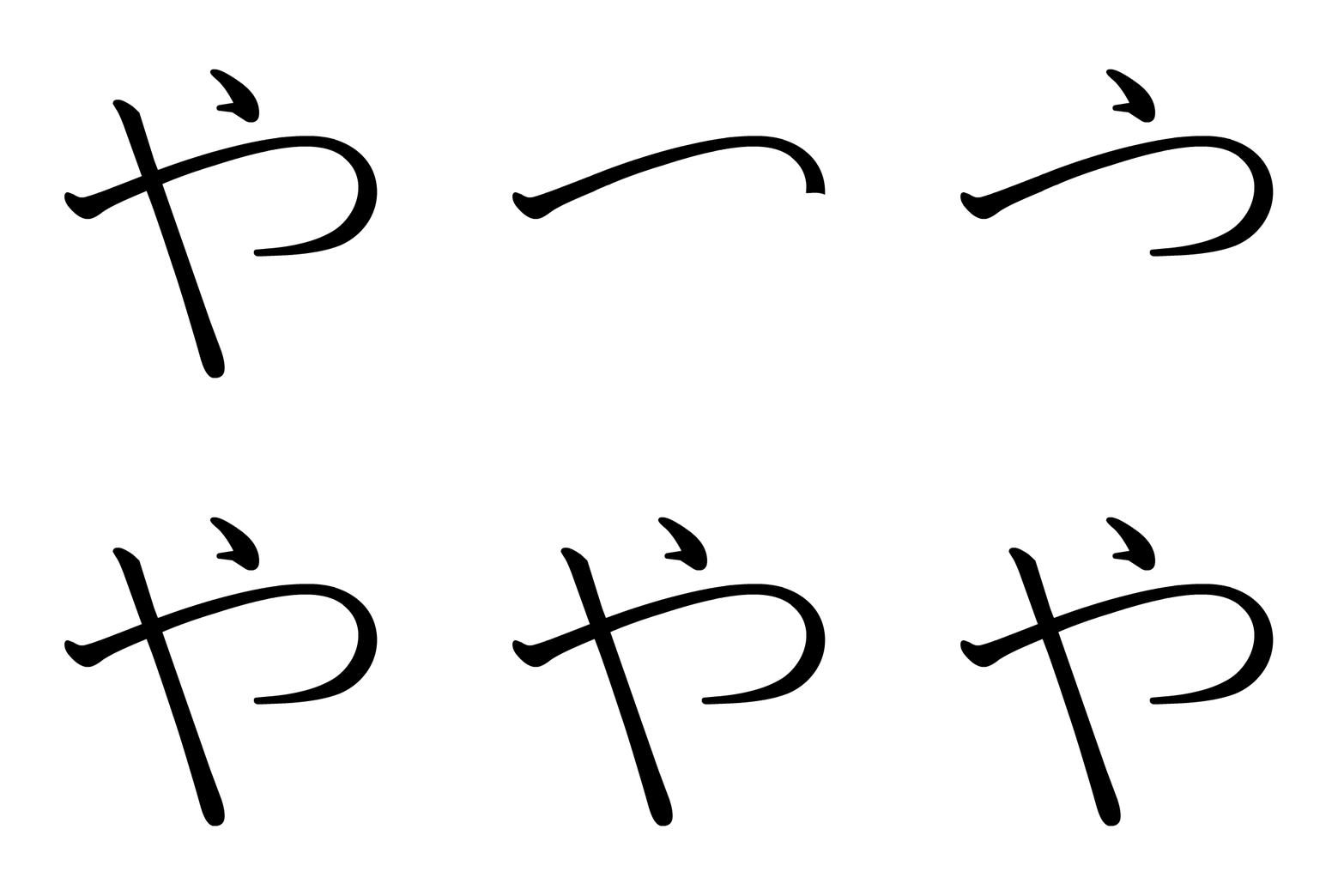
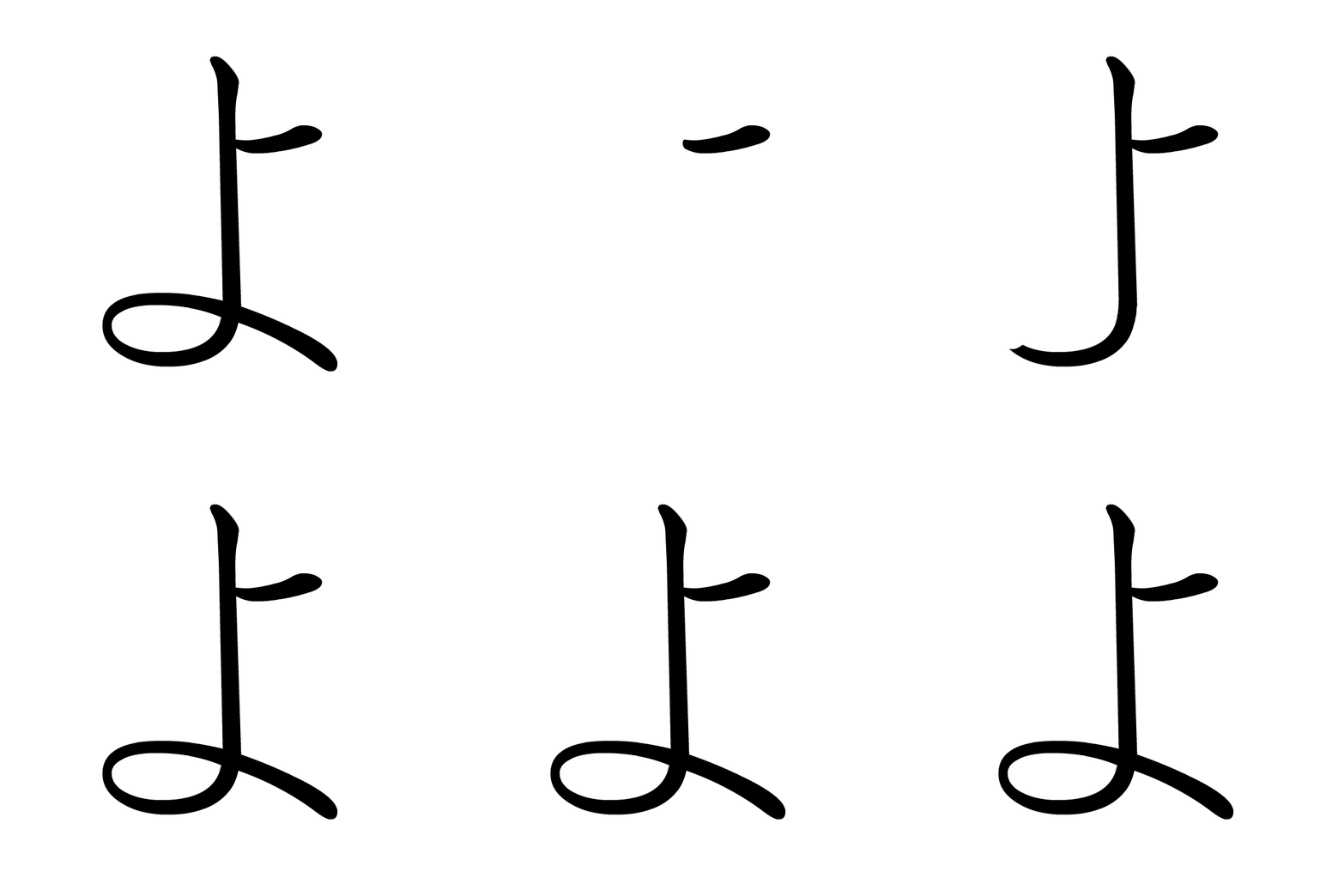
Y-row
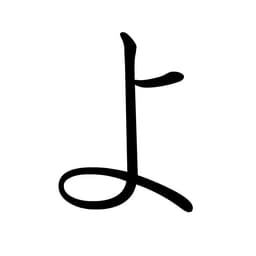
R-row
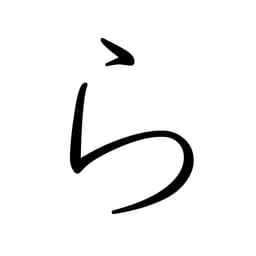
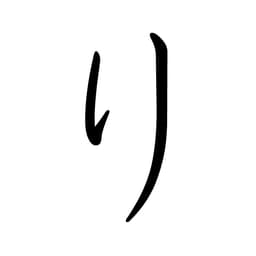
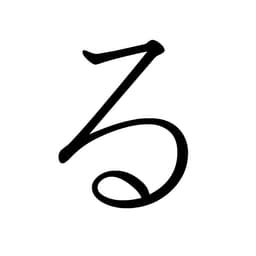
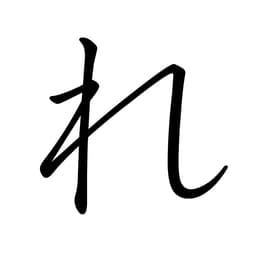
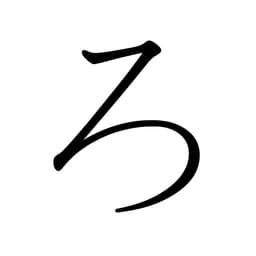
W-row
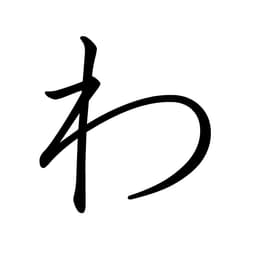
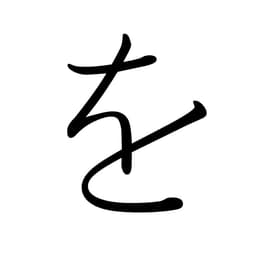
Motion memory
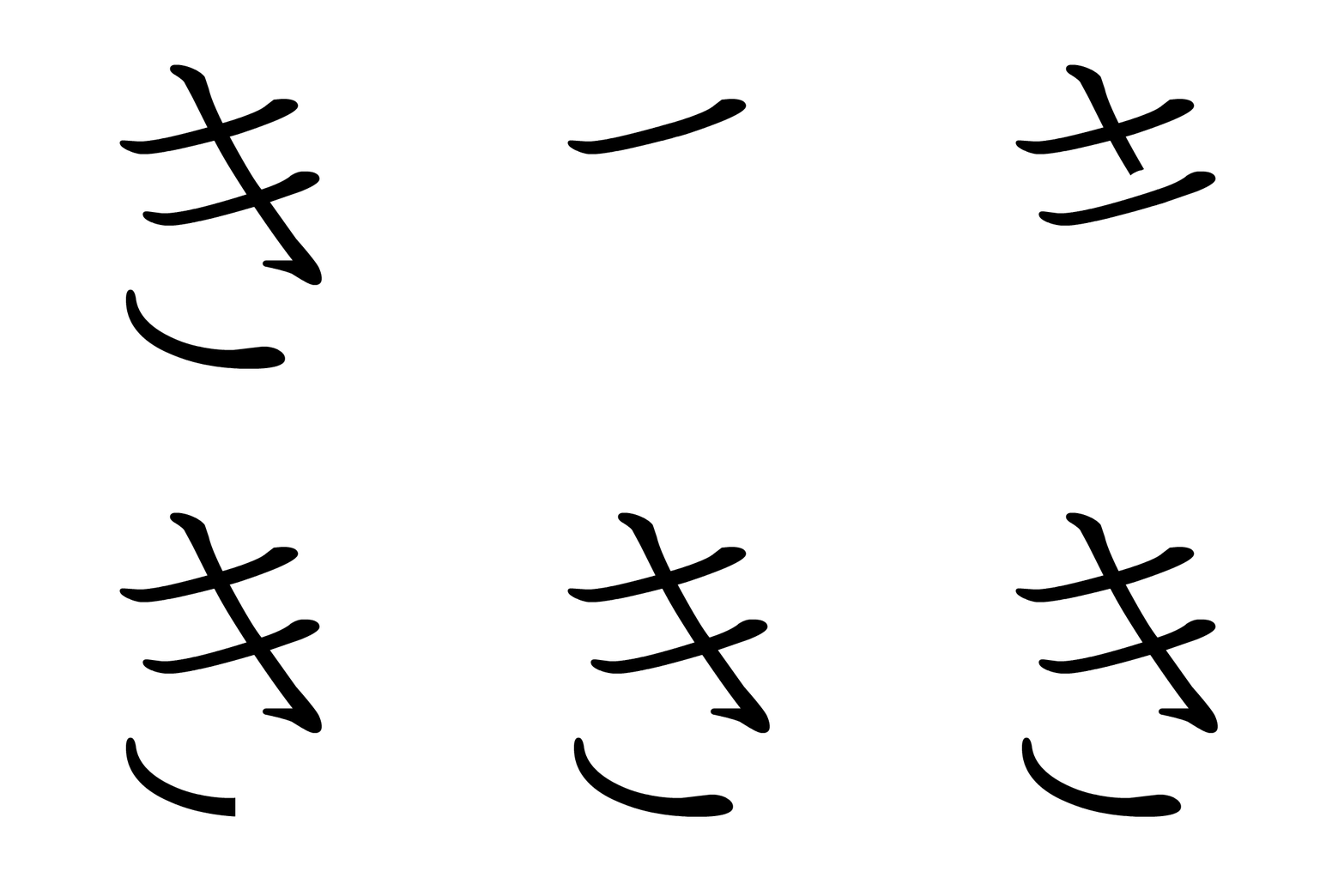
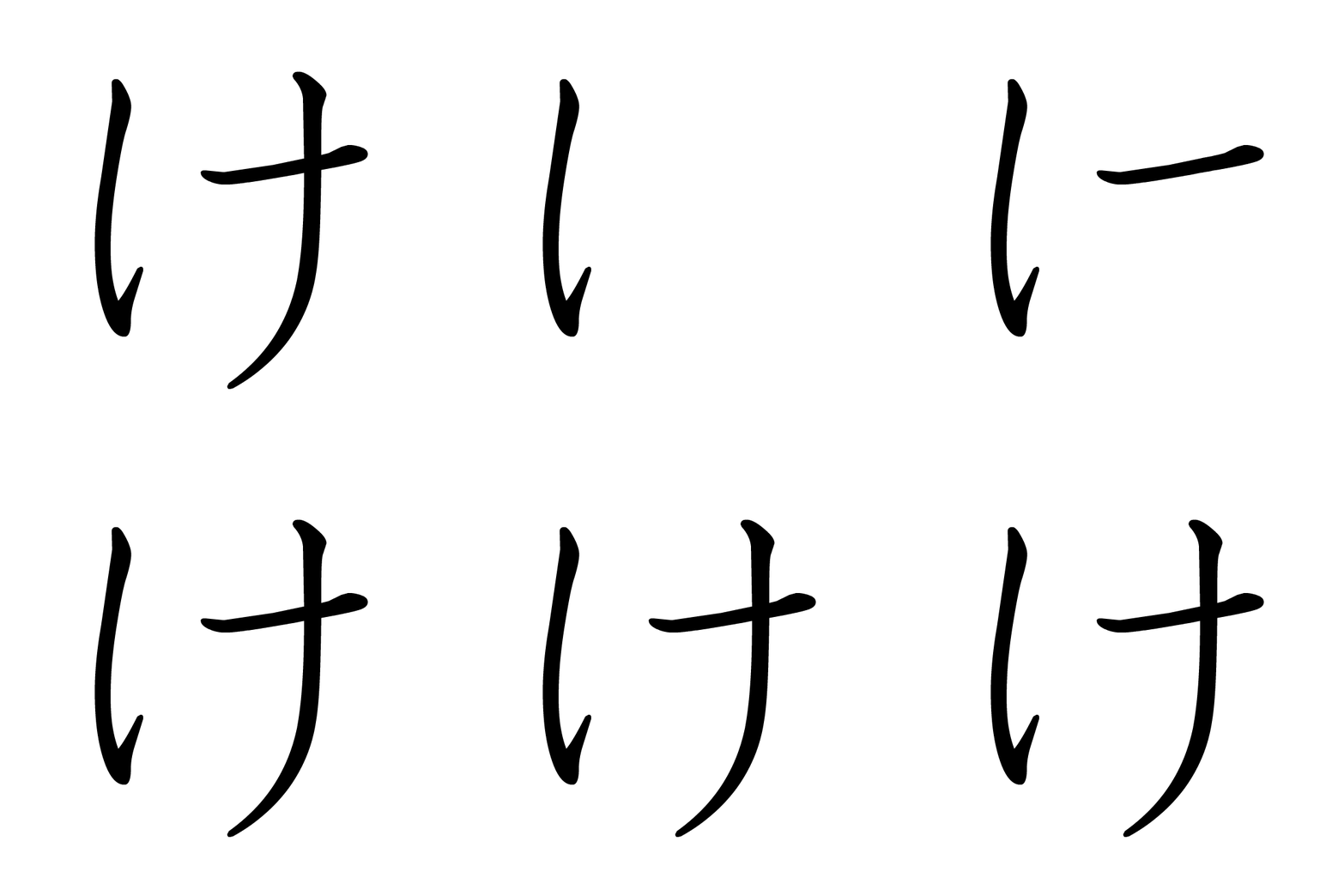
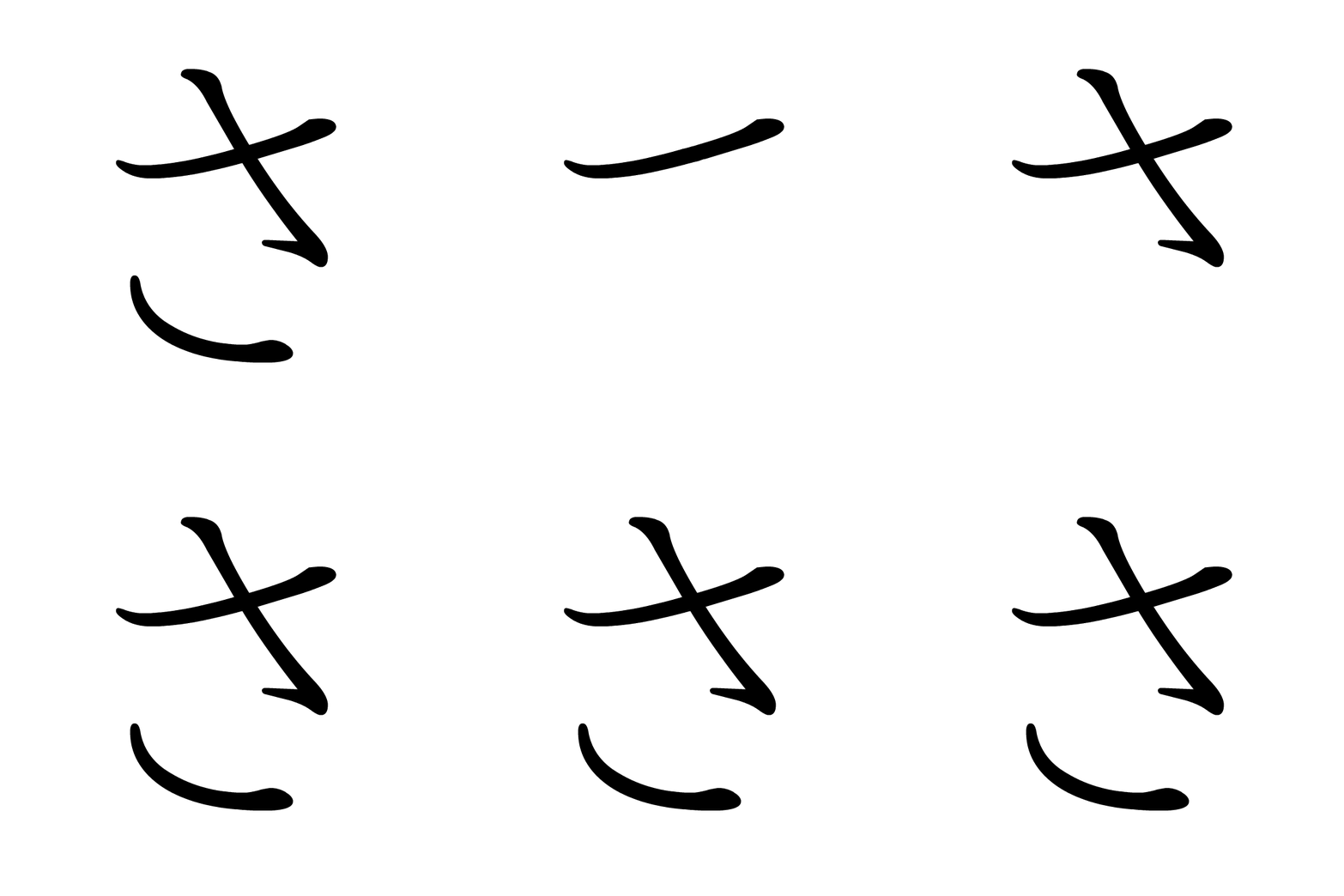
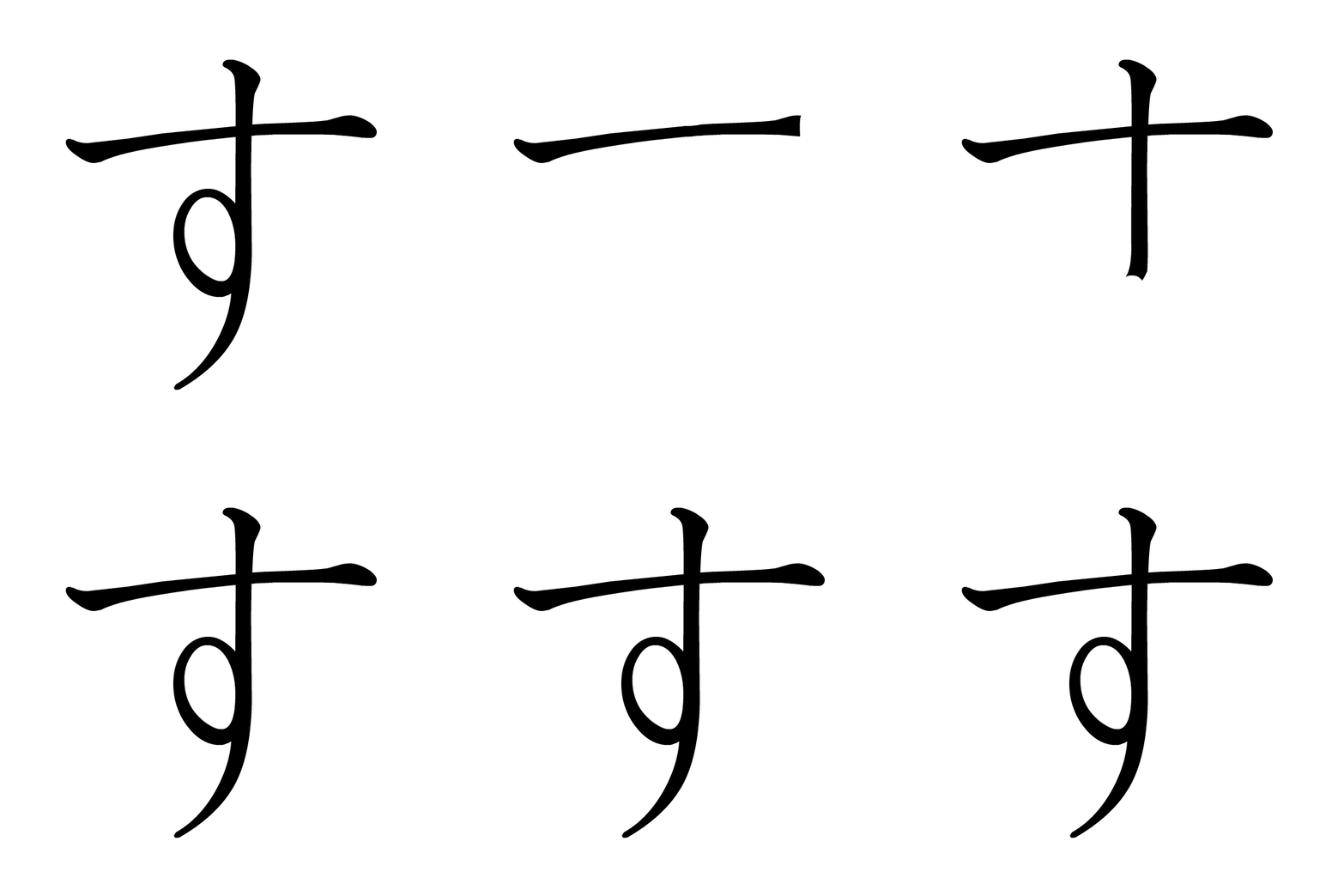
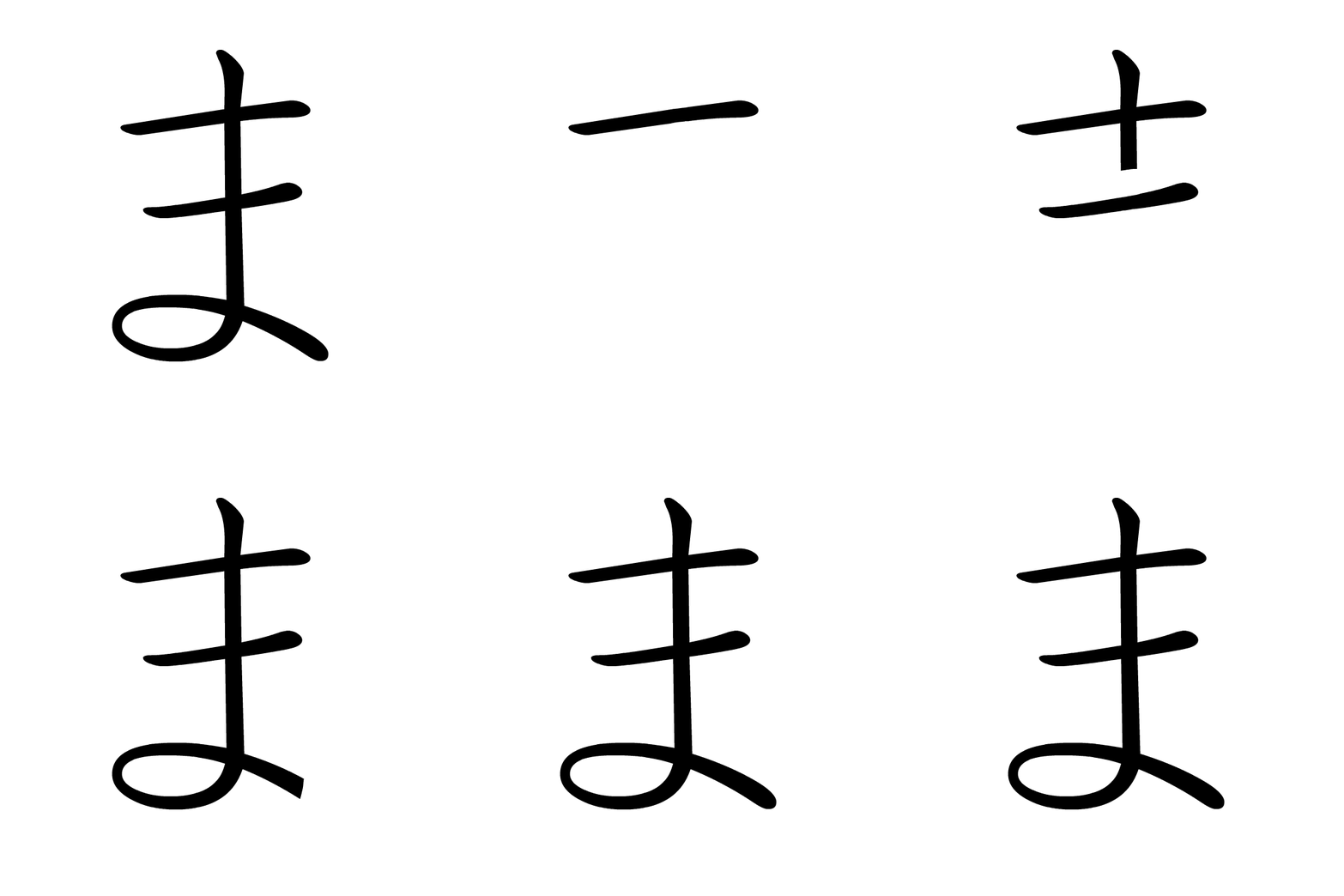
Stroke order
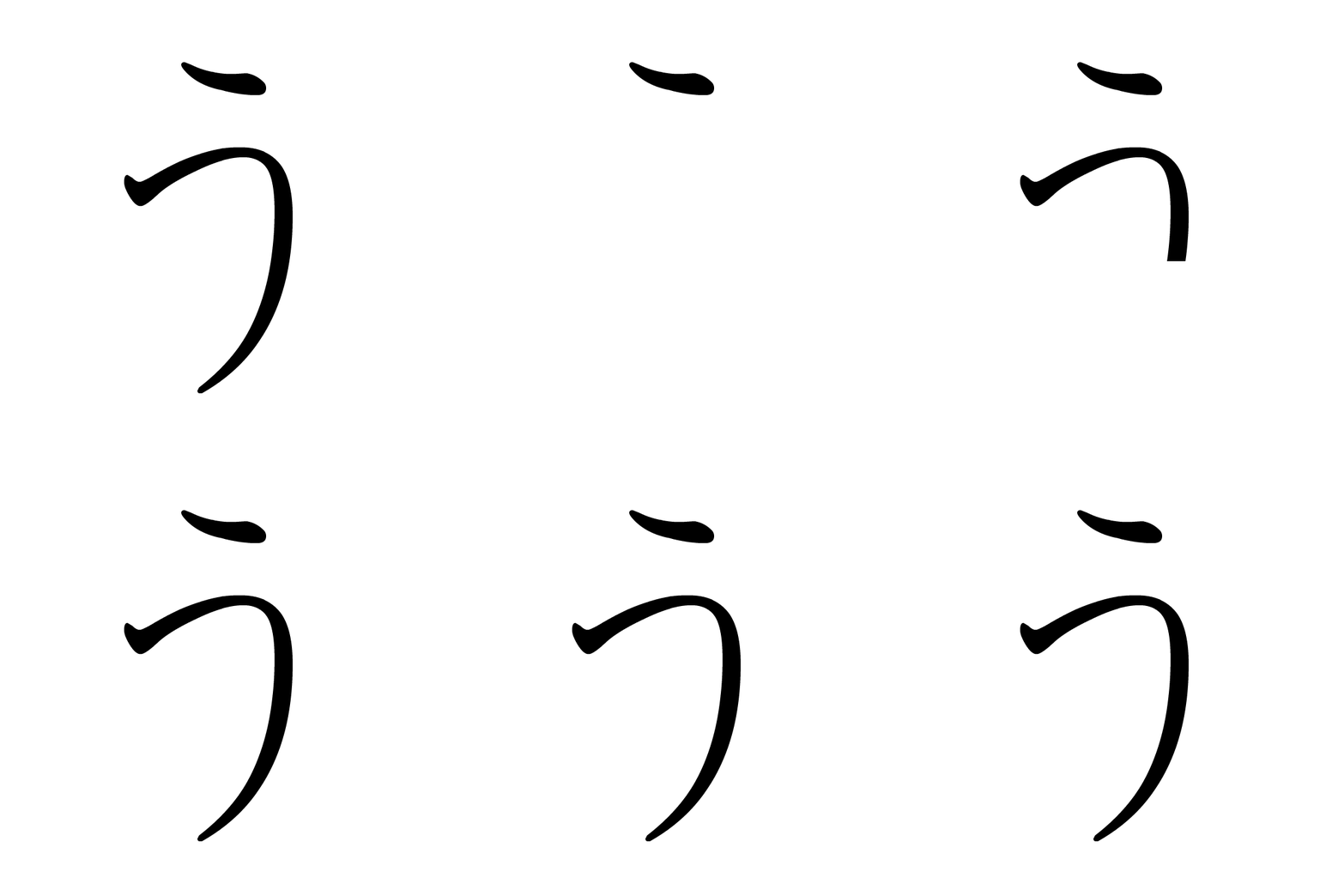
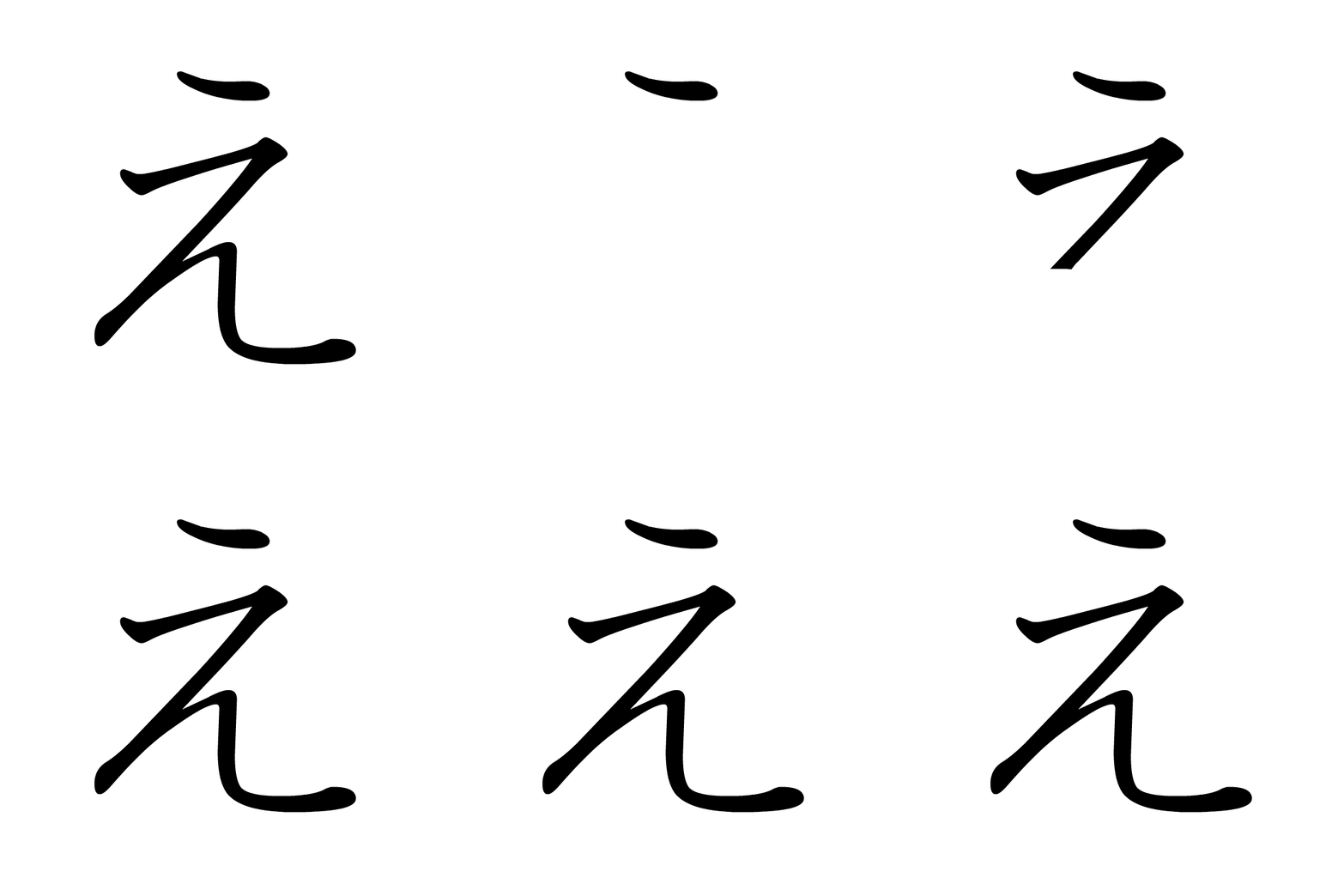
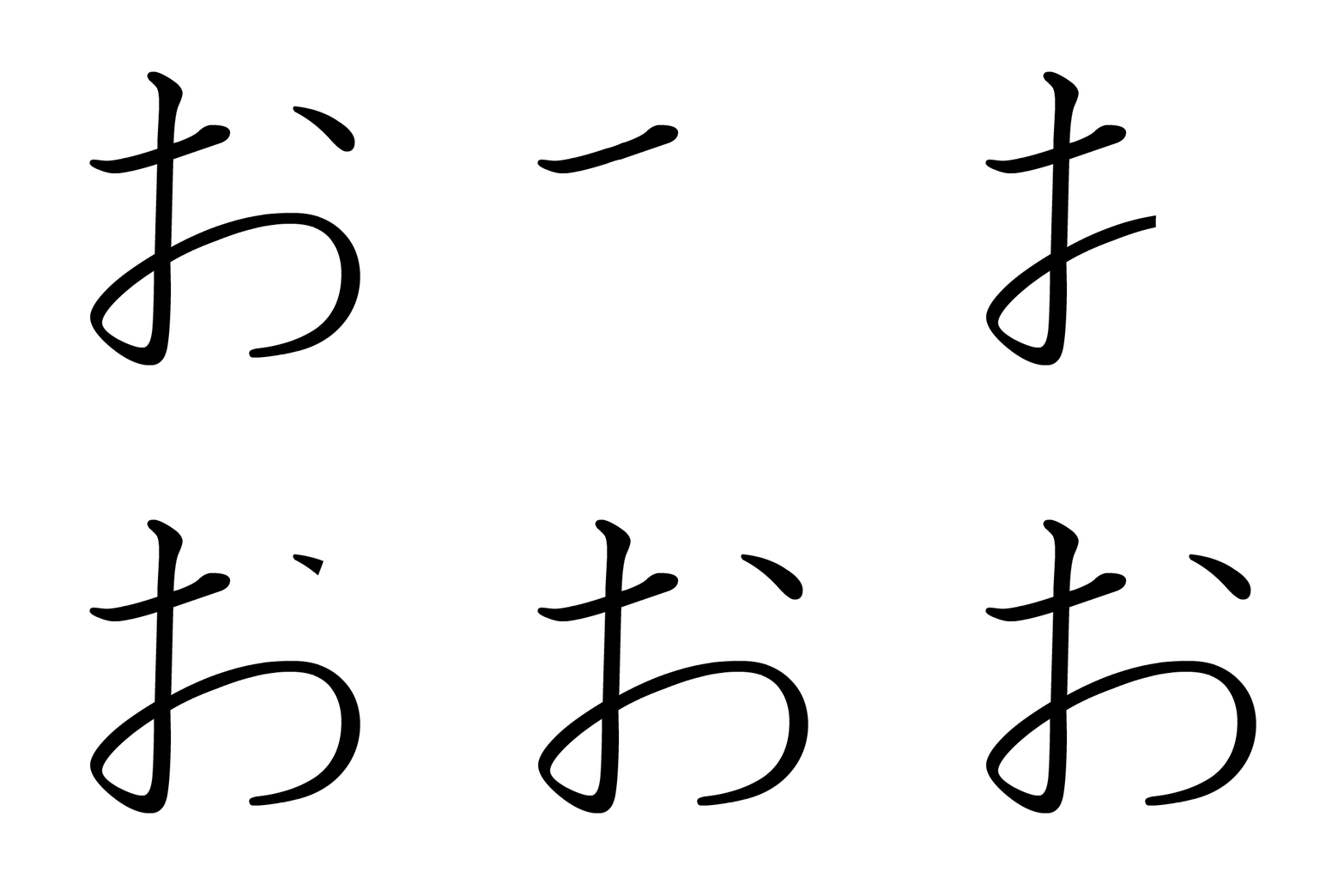
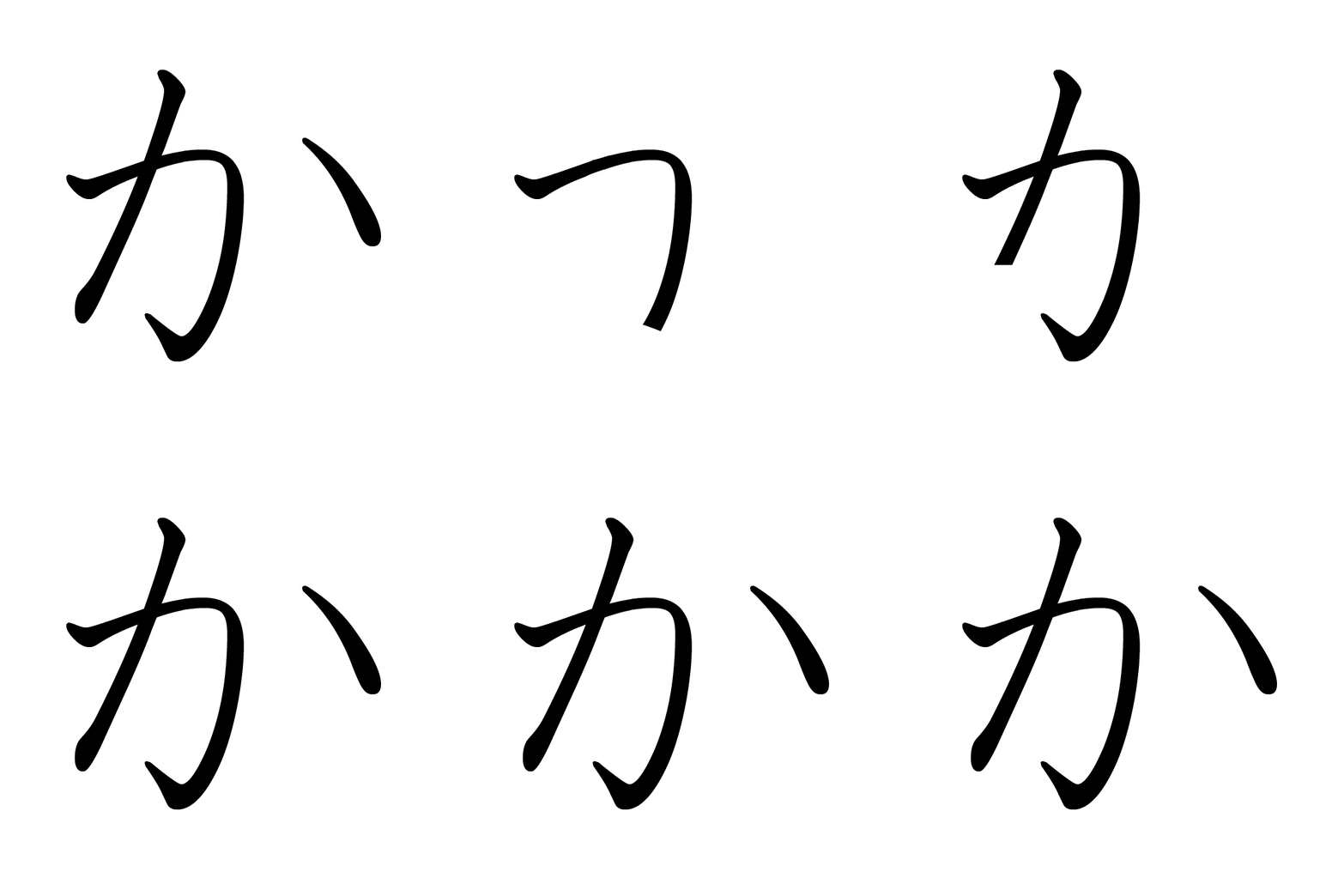
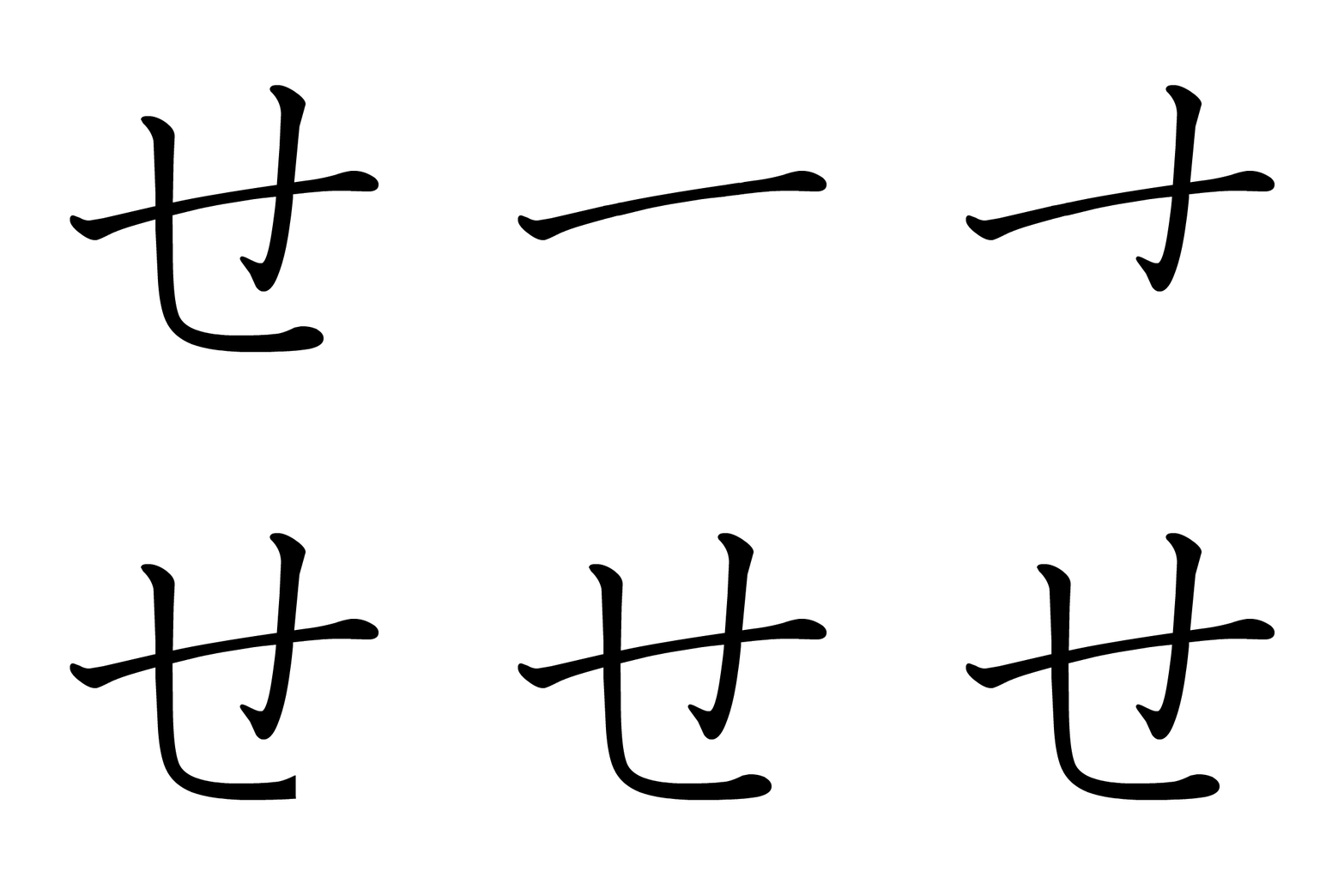
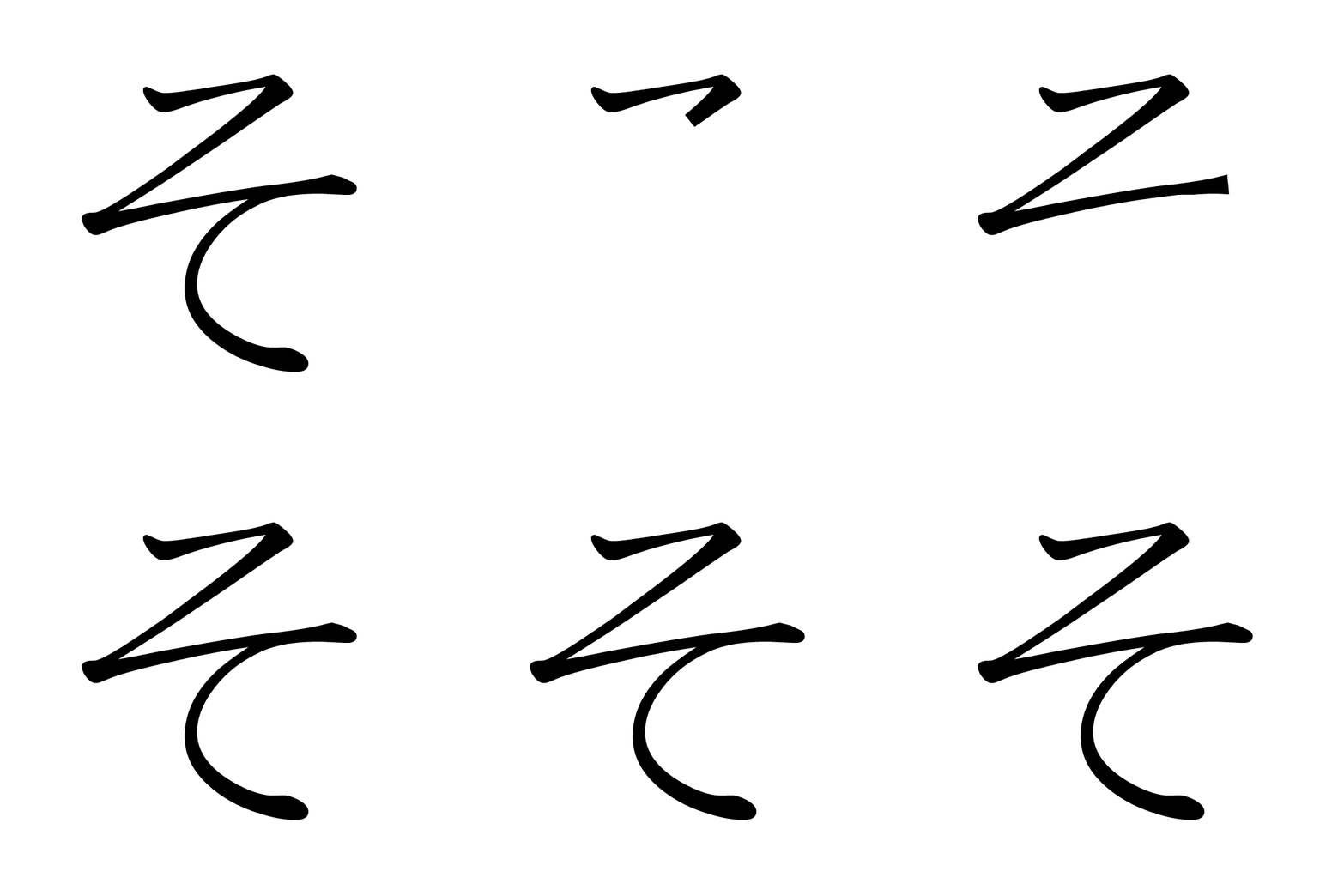
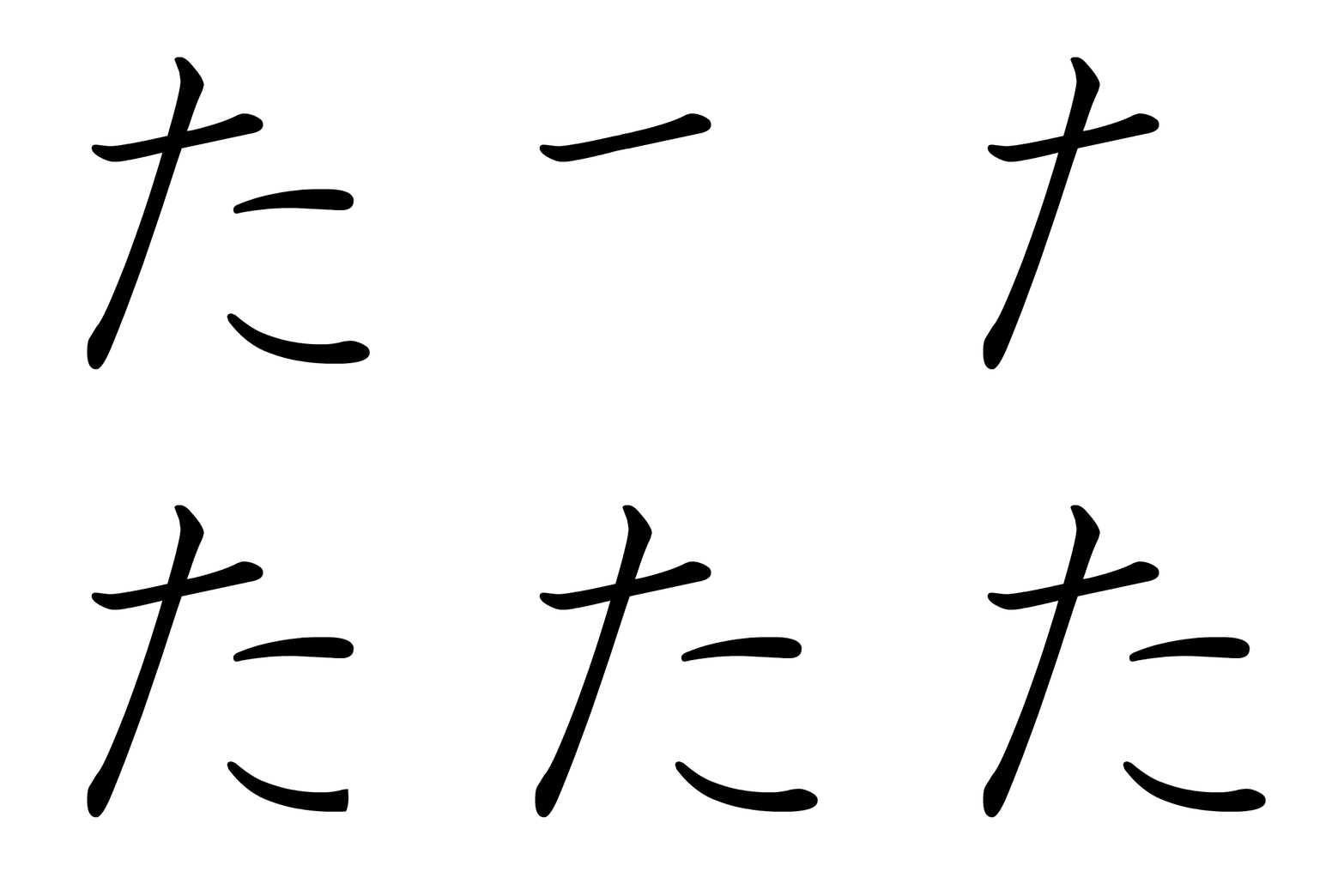
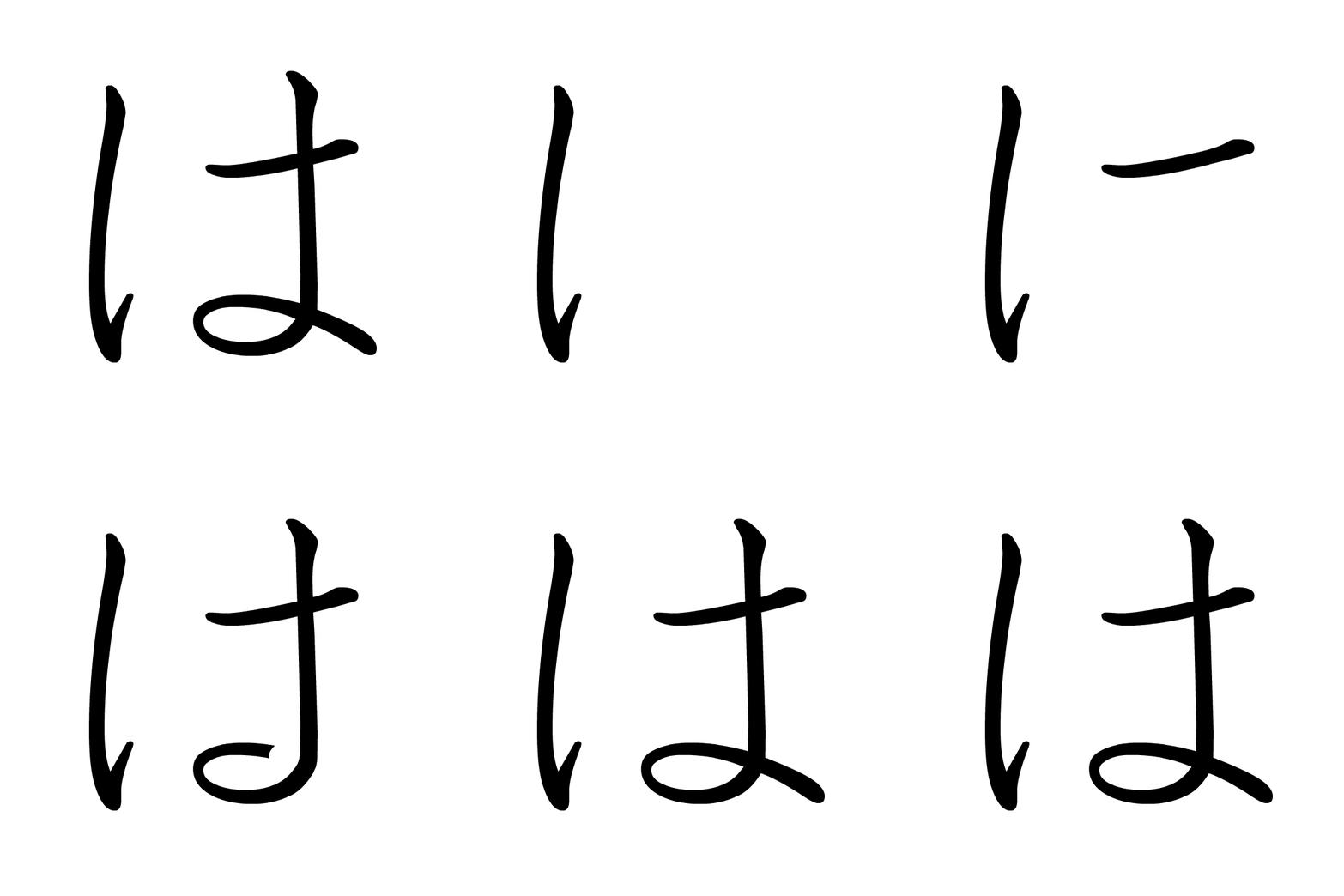
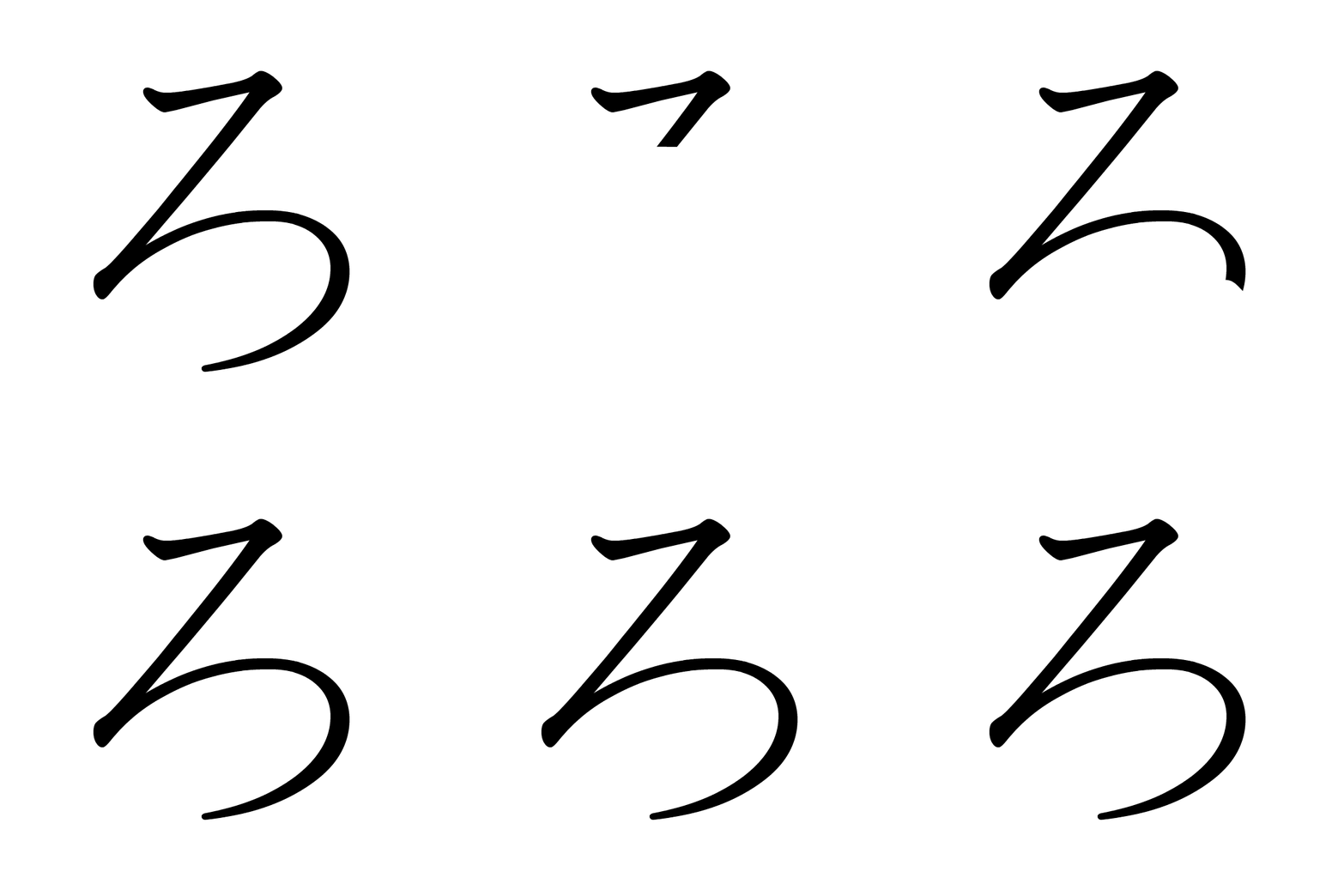
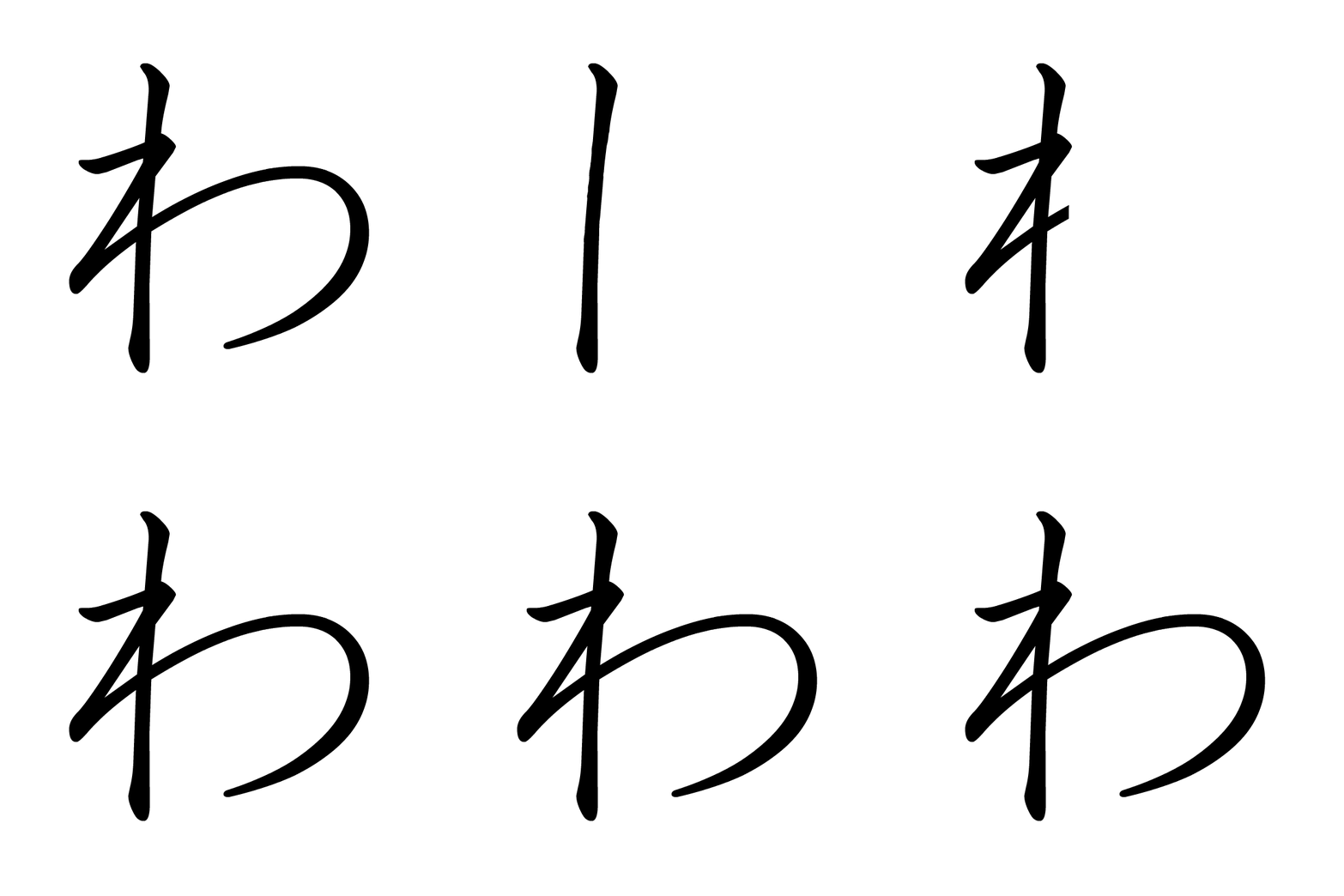
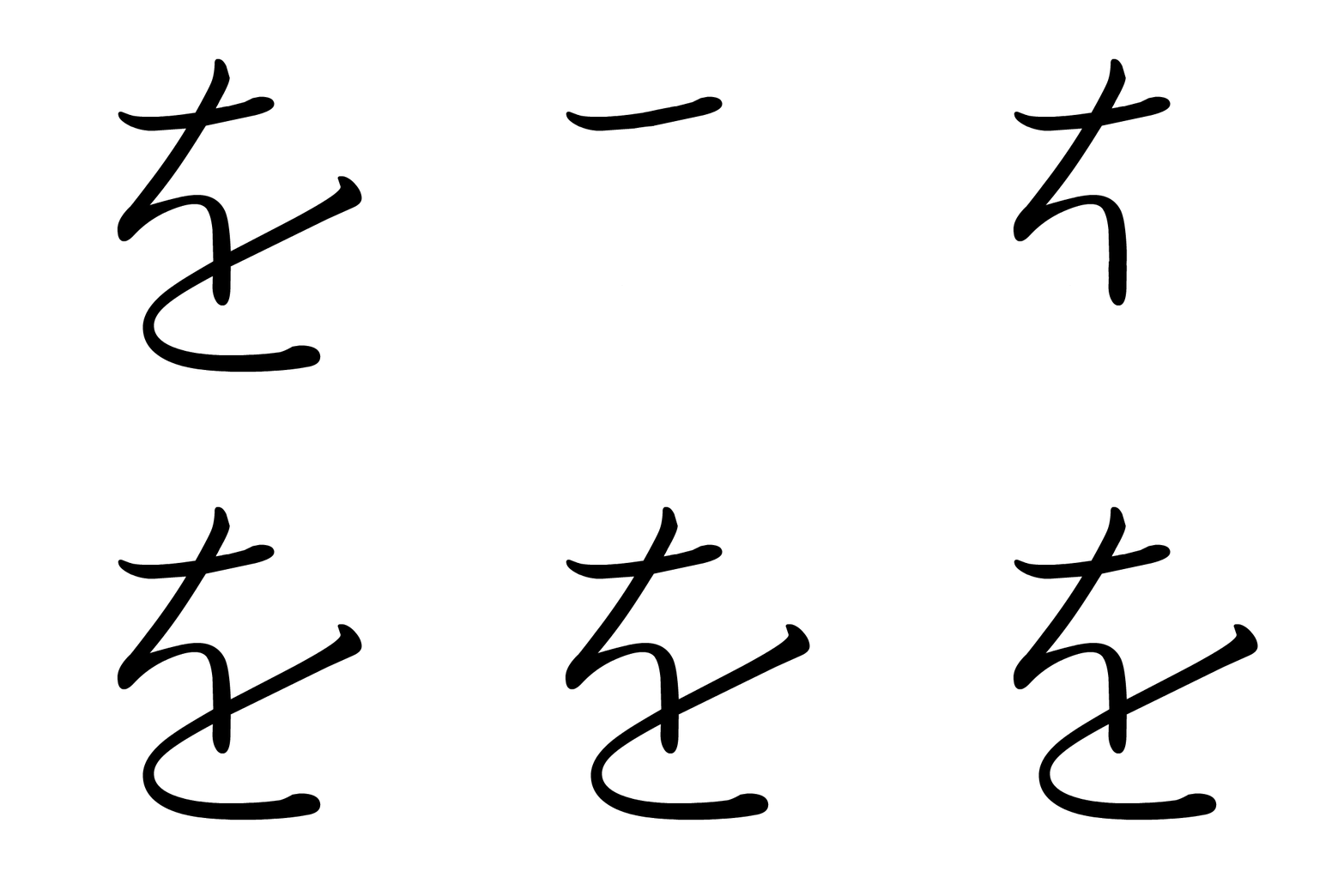
Watch the stroke sequence and trace it in the air. Keep the tempo smooth rather than fast.
Vowels

K-row


S-row

T-row



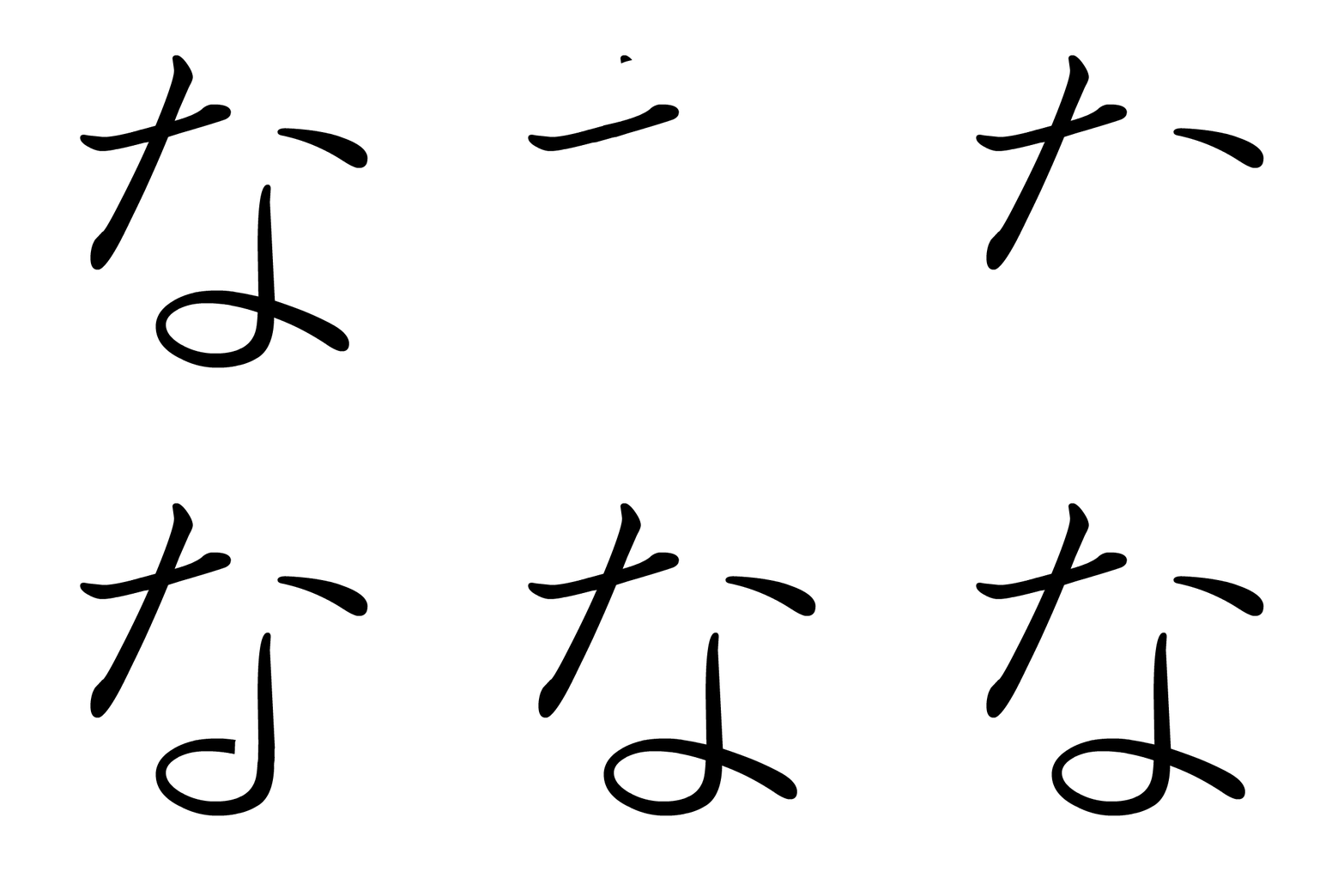
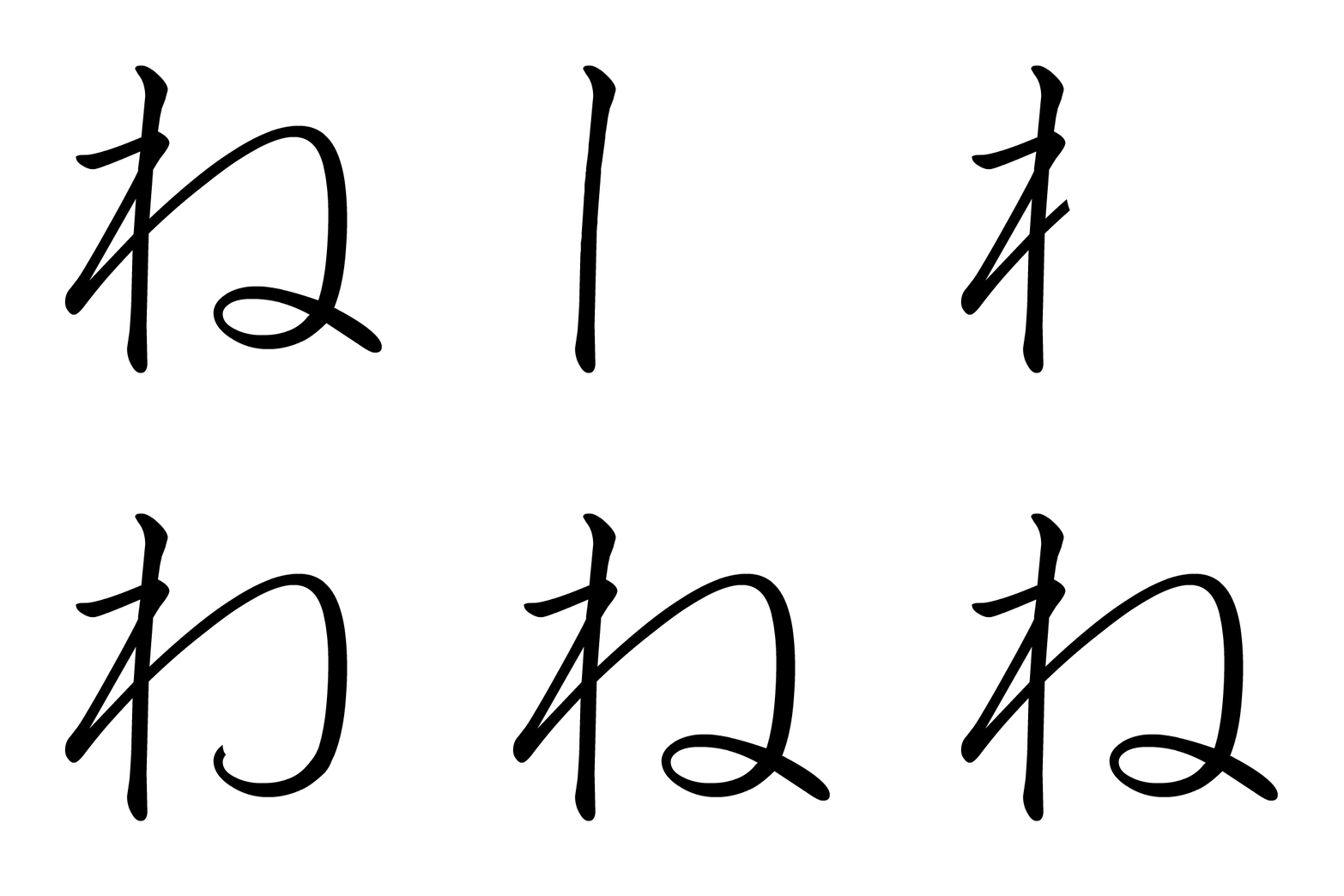
N-row



H-row


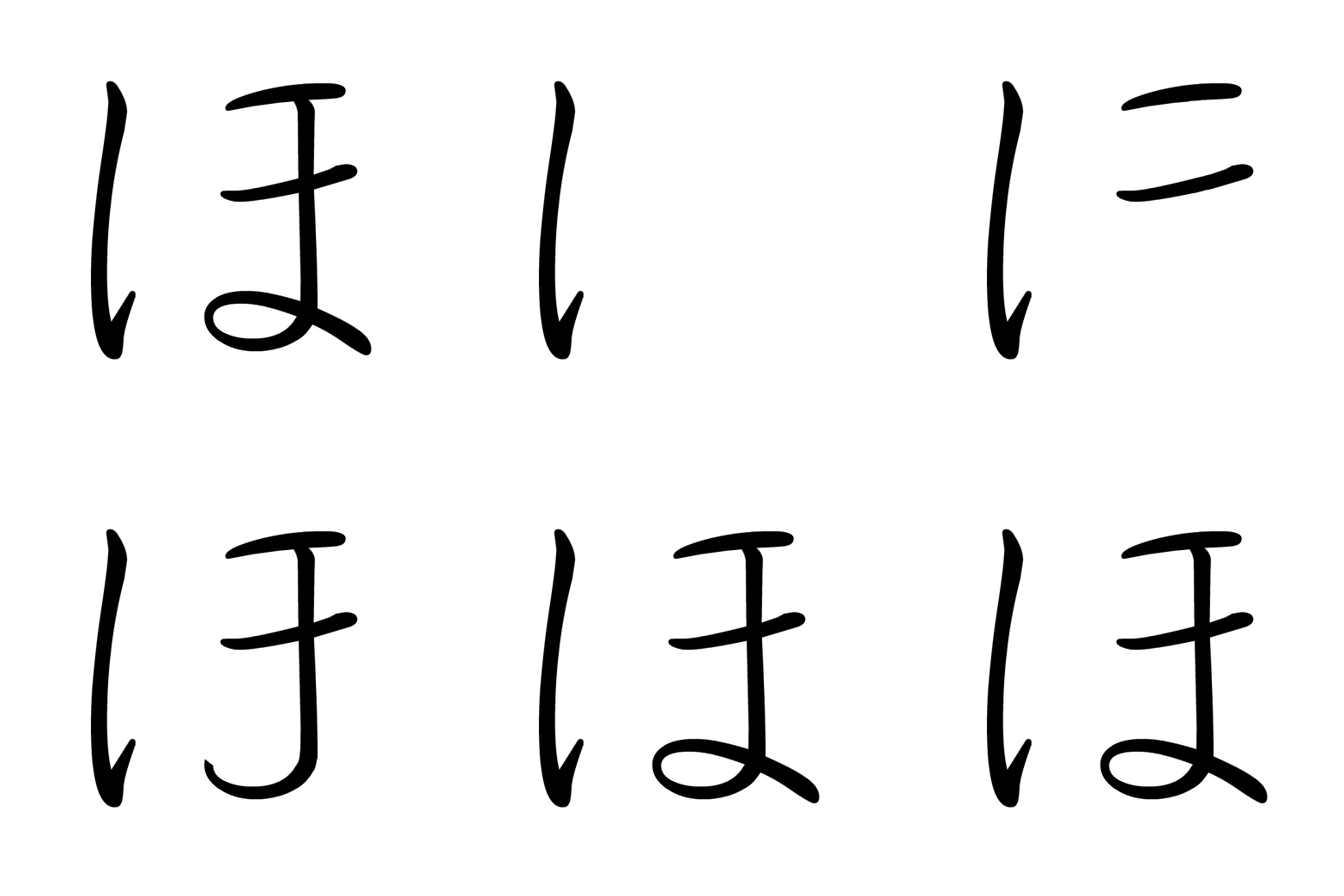
M-row
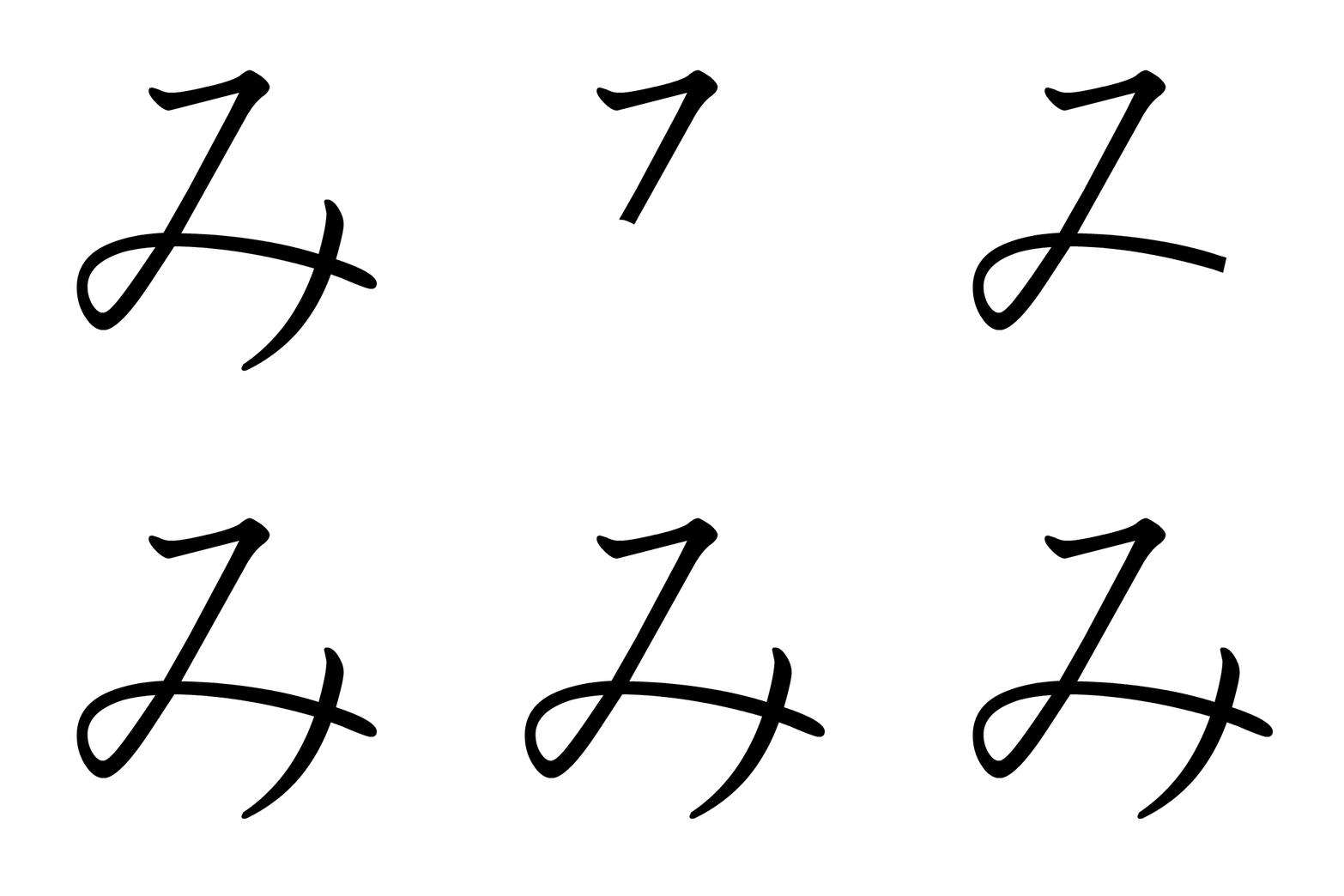
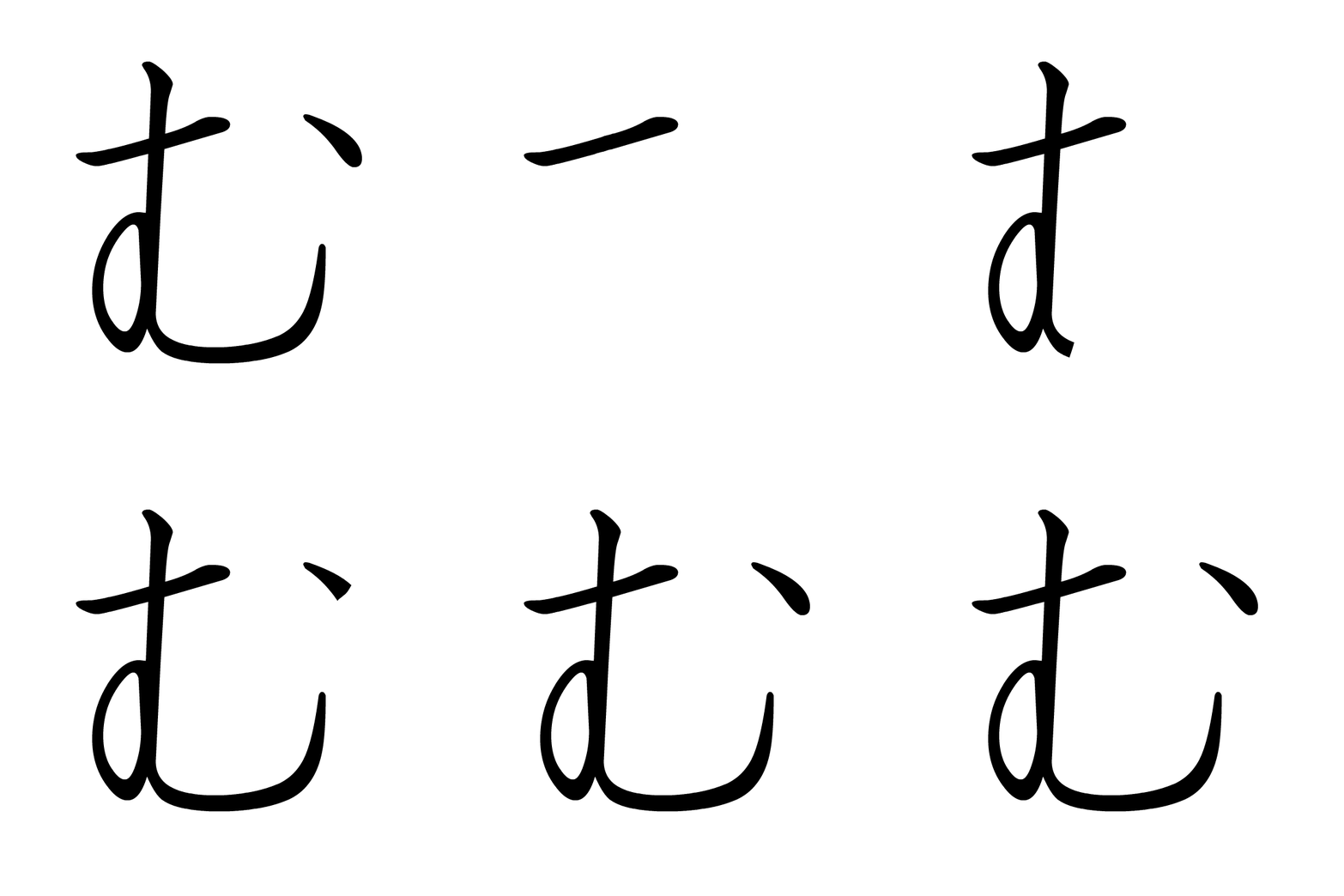

Y-row
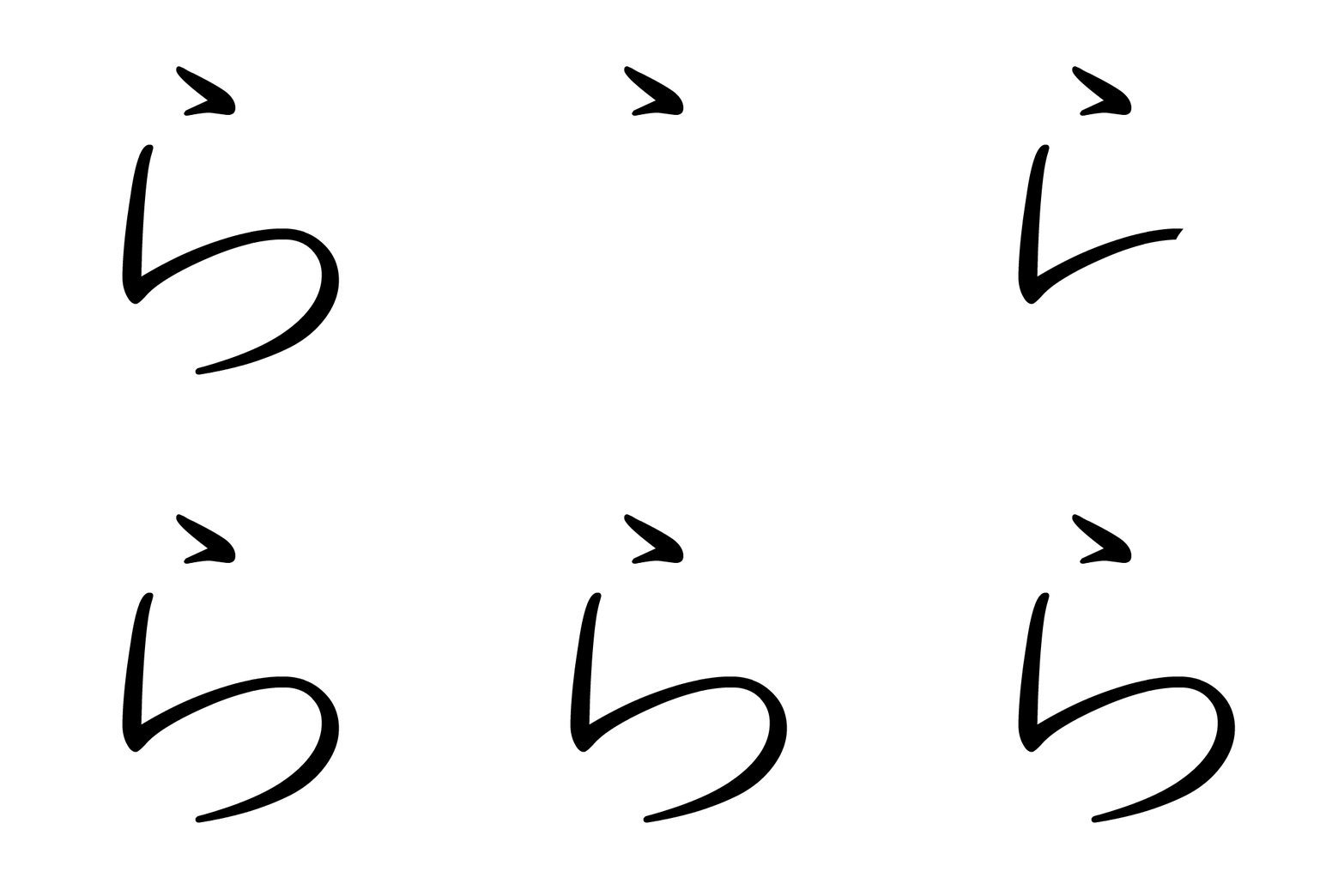
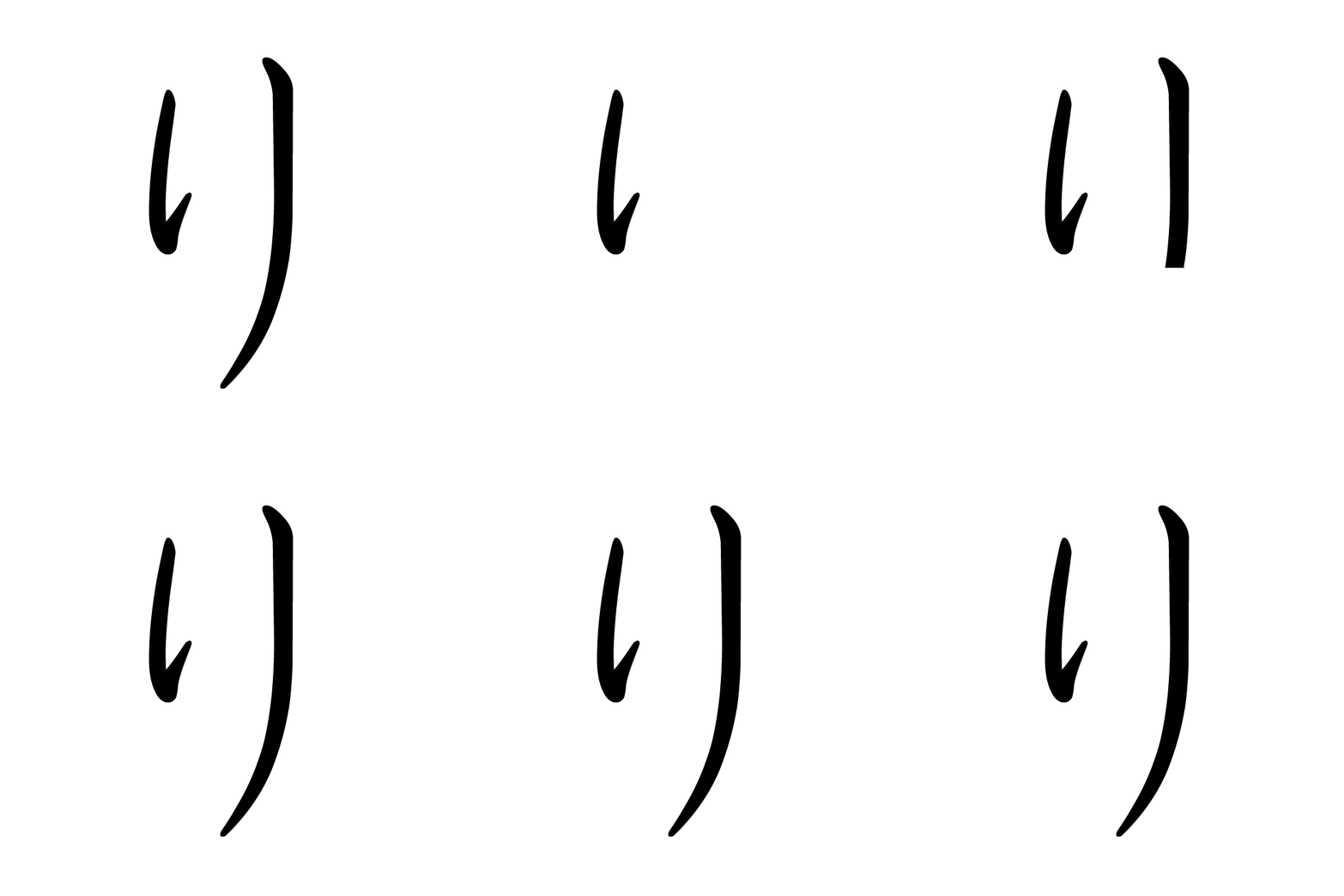
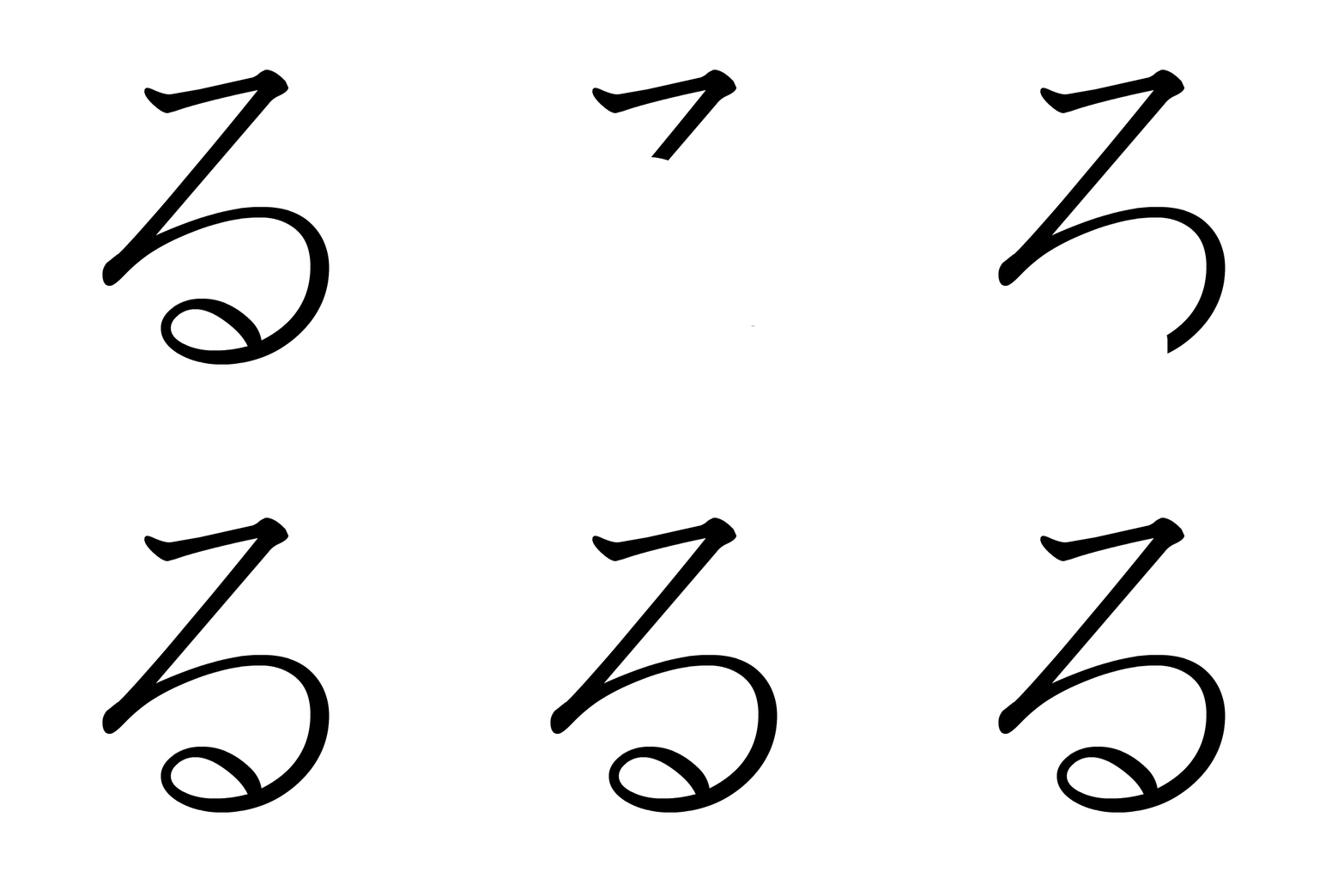
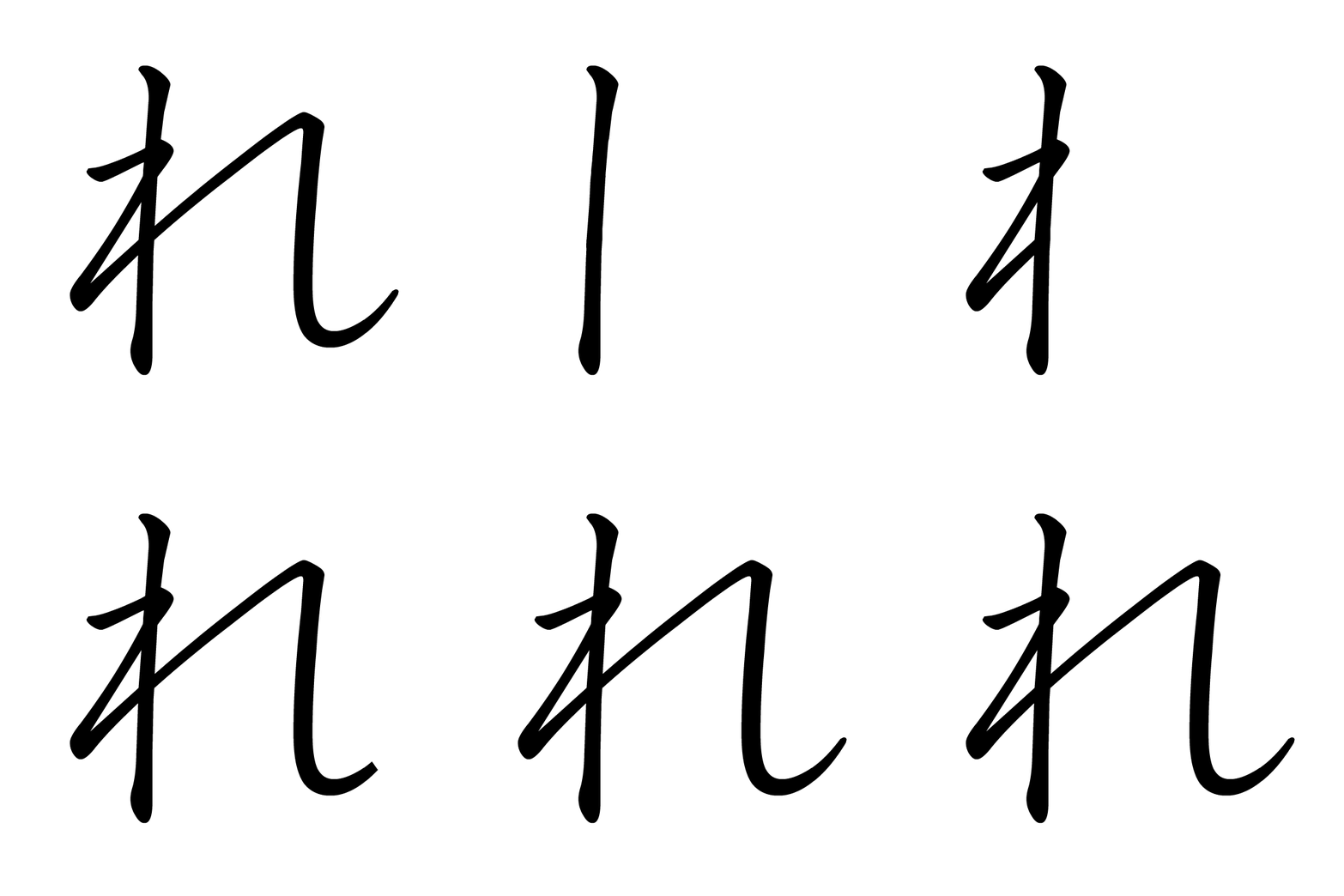
R-row
W-row
Listen
Pronunciation library
Play each sound, repeat once out loud, and move immediately to the next kana. Keep sessions short and frequent.